
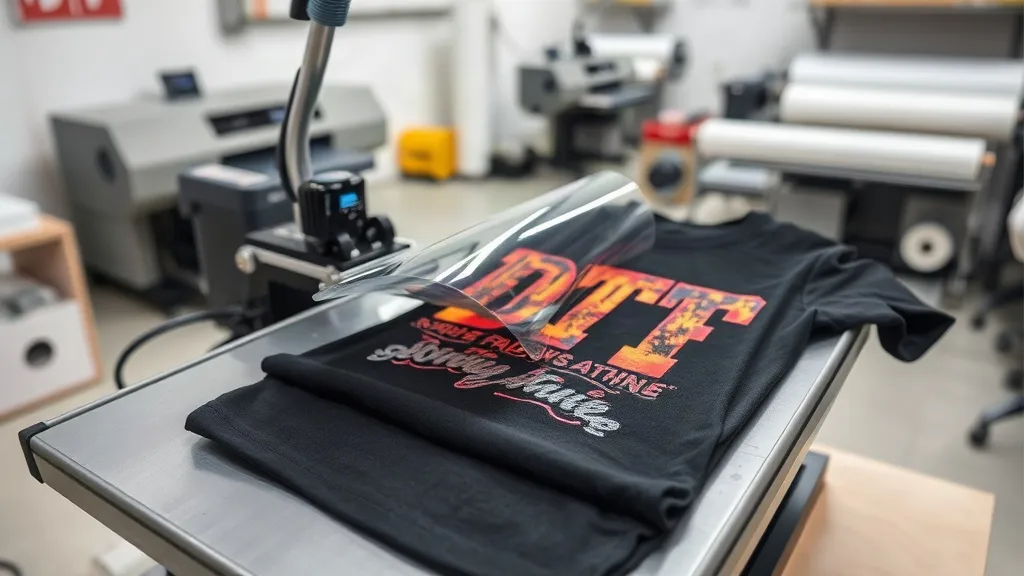
Custom apparel printing has evolved dramatically over the past decade, and one technology that's been making waves is dtf printing. Short for Direct-to-Film, this method allows you to transfer intricate, full-color designs onto a wide range of fabrics with remarkable ease. Whether you're a small business owner looking to offer custom t-shirts or a hobbyist wanting to personalize your own wardrobe, understanding dtf transfers can open up a world of creative possibilities. In this guide, we'll walk you through everything you need to know about DTF printing, from how it works to why it might be the perfect solution for your next project.
What Are DTF Transfers?
DTF transfers are a type of heat transfer that involves printing a design onto a special film using a DTF printer. The design is printed with water-based inks, and then a powder adhesive is applied to the wet ink. After curing, the film can be stored and later applied to garments using a heat press. Unlike other methods like screen printing or DTG (Direct-to-Garment), DTF doesn't require pre-treatment of the fabric, and it works on a variety of materials including cotton, polyester, blends, and even leather. The result is a soft, stretchable print that holds up well over time.
Why Choose DTF Transfers Over Other Printing Methods?
There are several reasons why DTF printing has gained popularity among professionals and hobbyists alike.
Versatility Across Fabrics
One of the biggest advantages of DTF is its ability to adhere to almost any fabric. Traditional DTG printing works best on 100% cotton, while screen printing can be limited on dark garments. DTF, however, can be applied to cotton, polyester, blends, and even nylon. This makes it ideal for printing on a wide range of apparel, from performance wear to fashion garments.
No Pre-Treatment Required
DTG printing often requires pre-treating the garment to ensure the ink bonds properly, which adds extra steps and time. DTF eliminates this need. You simply print the design, apply the adhesive powder, cure it, and then press it onto the fabric. This streamlined process saves time and reduces the risk of errors.
Vibrant, Detailed Prints
DTF printers use CMYK plus white ink, allowing for full-color designs with fine details, gradients, and photographic images. The white ink acts as a base, so colors pop even on dark fabrics. The prints are also stretchable, so they won't crack or peel when the garment is stretched.
Cost-Effective for Small Runs
For small businesses or individuals, DTF is more cost-effective than screen printing, which requires separate screens for each color and is only economical for large orders. With DTF, you can print one-off designs or small batches without breaking the bank.
How to Apply DTF Transfers: Step-by-Step
Applying DTF transfers is straightforward, but following the right steps ensures a professional finish. Here's what you need to do:
- Prepare your heat press: Set the temperature to around 325°F (160°C) and the pressure to medium. Preheat the garment for a few seconds to remove moisture.
- Position the transfer: Place the DTF film on the garment with the printed side facing up. If your design is on the film, the ink side should be against the fabric.
- Press: Press for 10-15 seconds. The film will adhere to the fabric.
- Peel: Wait for the transfer to cool completely (cold peel) or peel while hot (hot peel) depending on the film type. Most DTF films are cold peel.
- Post-press (optional): For added durability, you can press again for a few seconds with a protective sheet.
It's important to follow the specific instructions provided by your DTF film supplier, as temperatures and times can vary.
Common Challenges and How to Overcome Them
While DTF printing is relatively simple, beginners might encounter a few issues. Here are some common problems and their solutions:
- Ink cracking or peeling: This usually happens if the transfer isn't pressed long enough or at the right temperature. Increase the press time or temperature slightly.
- Adhesive powder not sticking: Ensure the ink is still wet when applying the powder. If it's too dry, the powder won't adhere properly.
- Colors looking dull: This could be due to insufficient white ink or incorrect curing. Check your printer settings and cure the film properly.
With a bit of practice, you'll be able to troubleshoot these issues quickly.
DTF vs. Other Transfer Methods: A Quick Comparison
To help you decide if DTF is right for you, here's a comparison with other popular methods:
- DTF vs. DTG: DTF works on more fabrics and doesn't require pre-treatment, but DTG can be more cost-effective for large cotton orders.
- DTF vs. Screen Printing: DTF is better for small runs and complex designs, while screen printing is more economical for bulk orders of simple designs.
- DTF vs. Vinyl: DTF allows for full-color, detailed prints, whereas vinyl is limited to single-color designs and requires weeding.
Getting Started with DTF Transfers
If you're ready to dive into DTF printing, here's what you'll need:
- DTF printer: Options range from entry-level to industrial. Choose based on your production needs.
- DTF film: Available in sheets or rolls. Ensure it's compatible with your printer.
- Adhesive powder: Specifically designed for DTF.
- Heat press: A quality heat press is essential for consistent results.
- Curing oven or heat gun: For curing the powder.
Many suppliers offer starter kits that include everything you need. When choosing a supplier, look for reviews and ensure they provide good support.
Frequently Asked Questions About DTF Transfers
How long do DTF transfers last?
With proper application and care, DTF transfers can last as long as the garment itself. They are durable and resistant to cracking and fading. Washing the garment inside out in cold water and avoiding high heat in the dryer will extend the life of the print.
Can I use DTF transfers on dark colors?
Absolutely. DTF printing uses a white ink base, so colors remain vibrant on dark fabrics. This is one of the key advantages over DTG, which may require multiple layers of white ink.
Do I need a special printer for DTF?
Yes, DTF requires a printer that uses DTF inks and is capable of handling DTF film. Some modified inkjet printers can be used, but dedicated DTF printers are recommended for best results.
What fabrics work best with DTF?
DTF works well on cotton, polyester, blends, and even leather. It's a versatile option for almost any fabric, but always test on a small area first.
Is DTF printing cost-effective for small businesses?
Yes, especially for small runs and complex designs. There's no minimum order, and you can print one-off designs without the setup costs associated with screen printing.
DTF transfers are a powerful tool for anyone in the custom apparel industry. With their versatility, ease of use, and vibrant results, they're a great addition to any printing setup. Whether you're just starting out or looking to expand your offerings, DTF is worth exploring.