
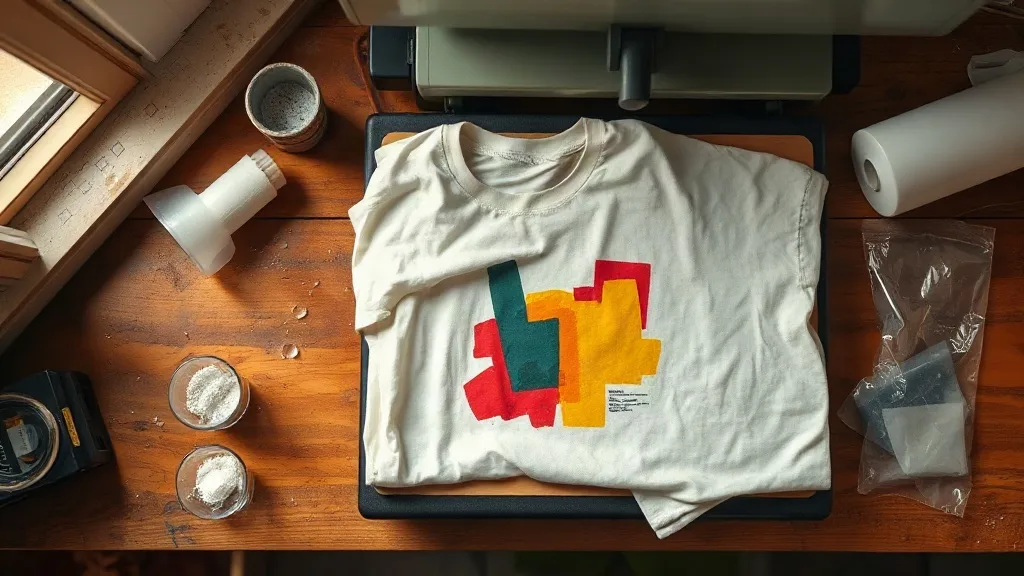
Most ruined jobs in a small print shop do not fail at the printer. They fail at the heat press, usually because someone assumed the film was ready to go straight out of the box, or because a cotton hoodie and a nylon jacket got the same time and temperature. If you handle dtf transfers long enough, you start to notice patterns: the same fabric types causing the same failures, the same humidity problems showing up in the same week of summer. This guide is about those patterns and what to do about them.
Why DTF earned a permanent spot on the bench
Screen printing still wins on large runs of one design, and vinyl still has a place for single-color names and numbers. What changed the math for small shops was the ability to print a full-color, photographic design on a desktop printer, powder it, and press it onto almost anything without cutting a screen or weeding a single piece of vinyl. That flexibility matters most when you are taking orders of one, three, or twelve pieces with mixed garment colors.
The tradeoff is that dtf rewards consistency. A screen print either works or it does not, and the failure is usually obvious. A DTF transfer can look perfect on the press and still fail in the wash three weeks later, which means the customer finds out before you do. Building a routine around a few variables is the only real protection.
The variables that actually matter
Every DTF failure I have chased down came back to one of five things: moisture, pressure, time, temperature, or fabric content. Everything else is secondary.
Moisture in the film and in the garment
Powdered adhesive is hygroscopic, meaning it pulls moisture out of the air. In a humid shop, an open box of film left out overnight can absorb enough water to cause pinholes, poor peel, or a dull finish. Store film sealed with the desiccant pack, and if you are in a climate that swings, consider a small dehumidifier near the bench. Garments need the same attention: a cotton tee that has been sitting in a damp stockroom needs a quick pre-press to drive off moisture before the transfer ever touches it.
Pressure, the most overlooked setting
Most press manuals give a pressure range, and most operators set it once and forget it. That is a mistake, especially if you share a press between DTF and other work. Too little pressure and the adhesive never fully engages the fibers, so edges lift after a few washes. Too much pressure and the powder layer gets flattened into the fabric, which produces a stiff, plastic hand feel and can push adhesive past the edge of the design, leaving a visible halo. A medium, even pressure that leaves a faint impression in the fabric is usually close to right, but check it whenever someone changes the press height.
Time and temperature are a pair, not a list
Cold peel and hot peel films behave differently, and the temperature that works for one is not automatically right for the other. Follow the film manufacturer's spec for the first press and the peel, then adjust for the fabric underneath. A heavy canvas jacket pulls heat away from the transfer, so it often needs a slightly longer dwell than a lightweight poly tee. Keeping a simple log of fabric, temp, time, pressure, and result turns guesswork into a repeatable recipe within a couple of weeks.
Fabric behavior you should expect
The appeal of DTF is that it bonds to a huge range of materials, but bonded is not the same as identical. Here is what tends to happen across common garment types.
- 100% cotton: Excellent adhesion and a soft finish, but cotton can shrink after the first wash, which drags the print with it. Pre-shrunk blanks reduce surprises.
- Polyester and blends: Great color vibrancy, but high-poly fabrics are sensitive to press temperature. Push too hot and you can get dye migration, where the garment's dye bleeds up into the transfer over time.
- Nylon and coated fabrics: The trickiest category. Some coatings repel the adhesive entirely. Always run a test piece before committing a customer order.
- Canvas and heavy twill: The texture shows through the film, which some customers love and others do not. A slightly higher pressure helps the adhesive reach into the weave.
Peel timing and the mistakes around it
Peel too early and the adhesive is still molten, so it strings and smears. Peel too late and the film grabs the design and pulls fine detail with it. The window is narrow, and it is different for every film type, which is exactly why the first press of a new roll should be a test scrap rather than a customer garment.
After the peel, a second short press through a cover sheet or parchment is worth the extra fifteen seconds. It smooths the surface, improves wash durability, and knocks down any slight texture from the powder. Skipping it is one of the most common reasons a transfer that looked fine in the shop looks rough after a month of wear.
Wash testing without wrecking your schedule
You do not need a lab. You need a habit. Every time you open a new roll of film or switch to a new garment supplier, press three test pieces and wash them: one cold, one warm, one inside out in a mesh bag. Check them at day one, after five washes, and after fifteen. Photograph the results and keep them with the log. Within a few months you will have a reference library that answers most customer complaints before they become arguments.
When a customer asks about dtf transfers near me and whether the print will survive their laundry routine, that library is your answer. It is also a genuine selling point. Shops that can speak specifically about wash durability sound different from shops that promise everything will be fine.
Storage, ordering, and keeping stock sane
Film has a shelf life, and it is shorter than most people assume. Rotate stock, keep it flat rather than rolled tight, and label every box with the date it arrived. Ordering in smaller quantities more often usually beats a bulk buy that sits in a humid back room for eight months. The same logic applies to powder: keep it dry, keep it sealed, and do not leave the shaker open on the bench between jobs.
For shops just adding DTF to their service list, the practical starting point is a modest set of supplies and a strict test routine, not a large inventory. You can explore available film options and starter materials through a supplier like dtf transfers, and it helps to compare film types before committing to a bulk order.
When DTF is the wrong call
It is worth saying plainly: DTF is not always the right process. Very large runs of a single color design are cheaper and more durable in screen print. Stretch-heavy athletic wear sometimes performs better with a purpose-made stretch transfer. Delicate fabrics that cannot take press heat at all should be decorated another way. Knowing when to say no protects your reputation more than any single technique.
The shops that do well with dtf are rarely the ones with the most equipment. They are the ones with a written process, a test log, and the discipline to run a scrap piece before touching a customer's order.
Frequently asked questions
How long should a DTF transfer last after washing?
With correct pressing and normal care, most transfers hold up through dozens of wash cycles. Longevity depends heavily on fabric type, press settings, and whether the garment is washed inside out in cooler water. Heavy heat and harsh detergent shorten life noticeably.
Can I press a DTF transfer onto a jacket that already has a water-repellent coating?
Often not reliably. Water-repellent and some coated finishes prevent the adhesive from bonding. Test a hidden area first, and if the film lifts cleanly after cooling, the coating is incompatible and the garment should be decorated another way.
Why did my transfer develop a stiff, plastic feel?
Usually too much pressure or too much heat, which flattens the adhesive layer into the fabric instead of bonding at the surface. Reducing pressure slightly and confirming the temperature with an infrared gun rather than the press display often fixes it.
Do I need different film for light and dark garments?
Not for opacity, since DTF prints white ink underneath the color. You may, however, want different film types for cold peel versus hot peel workflows, and those behave differently on the press even when the design is identical.
Is it worth buying a dedicated DTF printer for a small shop?
Only if transfer volume justifies the maintenance. Many small shops start by ordering printed transfers and pressing them in-house, which keeps capital costs low while they learn the press variables. Moving to in-house printing makes sense once the order flow is steady and predictable.