
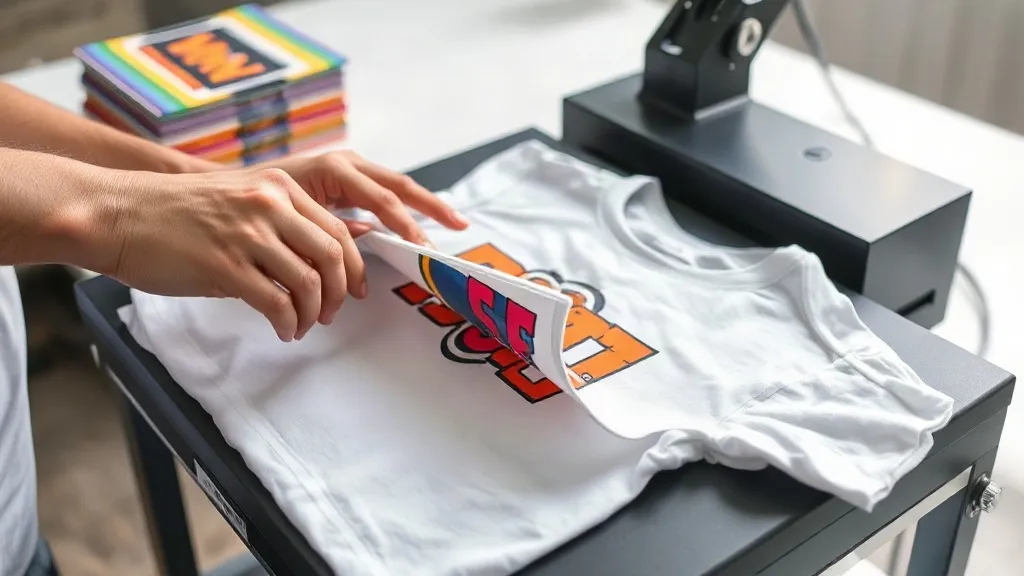
If you've been in the custom apparel game for any length of time, you've likely heard the buzz around dtf transfers. This printing method has taken the industry by storm, and for good reason. Unlike traditional screen printing or vinyl, DTF (Direct to Film) offers a level of versatility and vibrancy that's hard to beat. Whether you're a small business owner looking to expand your product offerings or a hobbyist wanting to create professional-grade shirts, understanding DTF transfers is your ticket to stunning, long-lasting results.
What Are DTF Transfers?
At its core, dtf is a printing technology where designs are printed onto a special film, then transferred to fabric using heat and pressure. The process involves printing a mirror image of your design onto the film, applying a powder adhesive, and then pressing it onto the garment. The result is a soft, stretchable print that adheres to a wide range of materials, including cotton, polyester, and blends.
One of the biggest advantages of DTF transfers is that they don't require pre-treatment of the fabric, unlike DTG (Direct to Garment) printing. This saves time and reduces the risk of errors. Plus, DTF prints are incredibly durable, withstanding multiple washes without fading or cracking.
Why Choose DTF Transfers Over Other Methods?
You might be wondering how DTF stacks up against more established methods like screen printing or heat transfer vinyl (HTV). Here's a quick comparison:
- Screen Printing: Great for large orders and simple designs, but setup costs are high and it's not cost-effective for small batches or complex, multi-color designs.
- HTV: Ideal for simple text and shapes, but layering multiple colors can be time-consuming and the result may feel stiff.
- DTF: No minimum order quantity, full-color prints with gradients and fine details, soft feel, and works on almost any fabric. It's the perfect middle ground for businesses that need flexibility.
Another key benefit: DTF transfers can be stored for months and used on demand, making them perfect for print-on-demand businesses or those who want to offer a wide variety of designs without holding inventory.
How to Apply DTF Transfers Like a Pro
Getting a professional finish with DTF transfers requires attention to a few key steps. Here's a breakdown:
1. Prepare Your Workspace
Ensure your heat press is on a stable surface and preheated to the correct temperature. For most DTF transfers, you'll need to set your press to around 300°F to 325°F (150°C to 160°C). Always check the instructions provided with your transfers, as different films may have specific requirements.
2. Pre-Press the Garment
Before applying the transfer, pre-press the shirt for a few seconds to remove moisture and wrinkles. This step is crucial for ensuring the transfer adheres properly and prevents bubbling.
3. Position and Press
Place the transfer on the garment with the printed side facing up (the design should be readable, not mirrored). Cover it with a protective sheet or parchment paper, then press with medium to heavy pressure for 10-15 seconds. Peel the film while it's still hot (or cold, depending on the film type) in a smooth, consistent motion.
4. Post-Press for Durability
For added durability, especially on stretchy fabrics, do a second press for 5-10 seconds with a cover sheet. This helps the adhesive fully bond with the fibers.
Design Tips for Stunning DTF Prints
DTF transfers can handle intricate details and vibrant colors, but not all designs are created equal. Keep these tips in mind:
- Use high-resolution images: At least 300 DPI to avoid pixelation.
- Avoid very thin lines: They may not transfer well; a minimum line weight of 1pt is safe.
- Consider the fabric color: DTF prints are opaque, but a white underbase is automatically included, so colors pop on both light and dark garments.
- Test gradients: DTF excels at smooth gradients, so don't be afraid to use them.
Where to Find Quality DTF Transfers Near You
If you're ready to give DTF a try, you might be searching for dtf transfers near me. While online suppliers are plentiful, sourcing locally can offer faster turnaround times and the ability to build a relationship with your provider. Look for print shops that specialize in DTF and ask for sample prints to assess quality. A good supplier will offer consistent color reproduction, sharp details, and reliable film that peels easily.
When evaluating a supplier, consider their turnaround time, minimum order requirements, and customer service. Many reputable companies provide detailed application instructions and troubleshooting help, which is invaluable for beginners.
Common Mistakes to Avoid with DTF Transfers
Even seasoned pros can slip up. Here are a few pitfalls to watch out for:
- Insufficient pressure: If the transfer doesn't adhere fully, it may peel off after washing. Make sure your press applies even pressure across the entire design.
- Wrong temperature: Too hot and the film may melt or scorch; too cold and the adhesive won't activate. Always use a temperature gun to verify.
- Peeling too early or too late: Follow the film's instructions for hot vs. cold peel. Peeling at the wrong time can cause the design to crack or leave residue.
- Not pre-pressing: Skipping this step can trap moisture, leading to poor adhesion.
Frequently Asked Questions About DTF Transfers
How long do DTF transfers last?
With proper application and care, DTF prints can last as long as the garment itself. They are resistant to cracking, fading, and peeling, even after 50+ washes. To maximize longevity, wash inside out in cold water and avoid ironing directly on the print.
Can I use DTF transfers on dark shirts?
Absolutely. DTF transfers include a white ink layer that acts as a base, so colors remain vibrant on both light and dark fabrics. This is one of the key advantages over other methods that require separate white underbase screens.
What fabrics work best with DTF?
DTF adheres well to cotton, polyester, blends, and even some synthetic fabrics like nylon. It's not recommended for fabrics with heavy coatings or waterproof finishes, as the adhesive may not bond properly.
Do I need a special printer for DTF?
Yes, DTF requires a dedicated printer that uses DTF ink and film. However, if you're not ready to invest in a printer, you can purchase pre-printed transfers from suppliers and apply them with a standard heat press.
How should I store DTF transfers?
Store unused transfers in a cool, dry place away from direct sunlight. Keep them flat to prevent curling, and avoid high humidity, which can affect the adhesive powder. Properly stored transfers can last up to a year.
DTF transfers have revolutionized the custom apparel industry by making it accessible for anyone to create professional-quality garments with vibrant, durable designs. Whether you're just starting out or looking to expand your offerings, mastering DTF can set your business apart. With the right techniques and a reliable supplier, you'll be churning out stunning shirts in no time.