
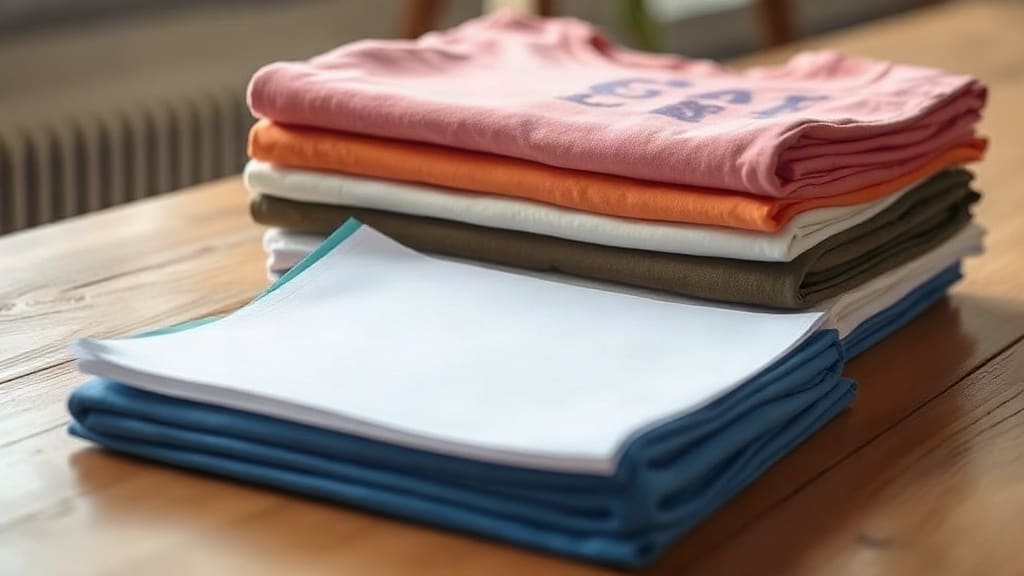
When you first dive into the world of custom apparel, the options can feel endless. But there's a quiet revolution happening in the industry: smart blanks. These aren't your average t-shirts or hoodies. They're engineered fabrics and garments designed to work seamlessly with modern decoration techniques, especially DTF transfers. Whether you're a small business owner, a print-on-demand seller, or a DIY enthusiast, understanding smart blanks can elevate your creations from good to unforgettable.
In this article, we'll explore what makes smart blanks special, why they pair perfectly with DTF transfers, and how brands like Shaka Wear are leading the charge. We'll also share practical tips for choosing the right blanks for your projects. By the end, you'll have a clear roadmap to producing apparel that looks professional, feels great, and lasts.
What Are Smart Blanks?
Smart blanks are garments specifically manufactured with decoration in mind. Unlike standard blanks that might have inconsistent weaves or finishes, smart blanks offer a consistent surface that optimizes adhesion and color vibrancy for DTF transfers and other printing methods. They often feature tighter knit structures, specialized coatings, or blends that reduce shrinkage and improve durability. Think of them as the canvas for your art: the better the canvas, the better the final piece.
But smart blanks aren't just about printing. They also focus on comfort, fit, and sustainability. Many smart blanks use ring-spun cotton, recycled polyester, or innovative blends that feel soft against the skin while standing up to repeated washing. This dual focus on decoration and wearability is what sets them apart.
Key Characteristics of Smart Blanks
- Consistent surface: Minimal texture variation ensures even transfer application.
- Optimal fabric weight: Typically 4.5 to 6.5 oz, providing a balance of durability and comfort.
- Colorfastness: Resists fading, keeping designs vibrant wash after wash.
- Shrink resistance: Pre-shrunk or treated to maintain size and shape.
- Compatibility: Works with a range of decoration methods, including DTF transfers, screen printing, and embroidery.
These features might seem technical, but they translate to real-world benefits: less waste, happier customers, and a more efficient workflow for you.
Why Smart Blanks Matter for DTF Transfers
DTF transfers have exploded in popularity because they allow for full-color, detailed designs without the setup costs of screen printing. However, not all blanks are created equal when it comes to DTF. The wrong fabric can lead to poor adhesion, cracking, or a stiff feel. Smart blanks address these issues head-on.
For starters, smart blanks often have a smooth, tight weave that allows the transfer to bond evenly. This means your design won't peel or wash out prematurely. Additionally, many smart blanks are treated to resist pilling, which can interfere with the transfer's surface. The result is a professional-looking print that stays put.
Another advantage is color. DTF transfers produce vibrant colors, but on a low-quality blank, those colors might appear dull or muted. Smart blanks are typically dyed with high-quality pigments that provide a neutral or complementary base, ensuring your design pops. Whether you're printing on a white tee or a dark hoodie, the right blank makes all the difference.
Choosing the Right Smart Blank for DTF
When selecting smart blanks for DTF transfers, consider these factors:
- Fabric content: 100% cotton or cotton-poly blends work best. High polyester content can sometimes cause issues with adhesion.
- Weave and finish: Look for tightly woven, smooth surfaces. Avoid heavy textures or brushed interiors that might interfere.
- Color: Lighter colors require less ink and can make designs pop, while darker colors may need a white underbase (though DTF handles this well).
- Weight: Heavier fabrics (like 6 oz) are great for hoodies and outerwear, while lighter weights (4.5 oz) suit summer tees.
Brands like Shaka Wear have gained a reputation for producing smart blanks that tick all these boxes. Their garments are known for their consistent quality and compatibility with DTF, making them a go-to for many professionals.
Shaka Wear: A Case Study in Smart Blanks
Shaka Wear has carved out a niche in the apparel industry by focusing on high-quality blanks that cater to the custom decoration market. Their t-shirts, hoodies, and tank tops are crafted from premium materials, often featuring ring-spun cotton and innovative blends. What sets Shaka Wear apart is their attention to detail: reinforced seams, double-needle stitching, and a fit that appeals to modern consumers.
For those using DTF transfers, Shaka Wear blanks offer a reliable foundation. The fabric's smooth surface and consistent dye lots mean your transfers apply uniformly and look great every time. Plus, their range of colors and sizes ensures you can find the perfect match for your design.
But Shaka Wear isn't just about the product; it's about the community. Many small businesses and creators have built their brands around Shaka Wear blanks because they know their customers will appreciate the comfort and durability. It's a partnership that benefits everyone.
How to Maximize Results with Shaka Wear and DTF
To get the most out of Shaka Wear blanks with DTF transfers, follow these best practices:
- Pre-press the garment: This removes moisture and wrinkles, ensuring a smooth surface.
- Use the right settings: Follow the DTF transfer instructions for temperature, pressure, and time. Each fabric may require slight adjustments.
- Test with a sample: Before a large order, test on a single piece to dial in your process.
- Wash inside out: Advise your customers to wash inside out in cold water and tumble dry low to prolong the life of the print.
By combining Shaka Wear's quality with proper DTF techniques, you'll create apparel that not only looks professional but also withstands the test of time.
Beyond DTF: Other Uses for Smart Blanks
While DTF transfers are a major focus, smart blanks are versatile enough for other decoration methods. Screen printing, embroidery, heat transfer vinyl (HTV), and even direct-to-garment (DTG) printing can all benefit from the consistent surface of smart blanks. This versatility means you can offer a wider range of services without switching up your inventory.
For example, if you're doing a mix of DTF and embroidery, smart blanks provide a stable base for both. The fabric's tight weave supports embroidery stitches without distortion, while its smooth surface is ideal for DTF. This flexibility can streamline your operations and open up new revenue streams.
Moreover, smart blanks are increasingly being used in sustainable fashion. Many manufacturers are incorporating organic cotton and recycled materials into their smart blanks, appealing to eco-conscious consumers. By choosing these blanks, you're not only getting a better product but also supporting a more sustainable industry.
Common Mistakes to Avoid with Smart Blanks
Even with the best blanks, mistakes can happen. Here are a few pitfalls to watch out for:
- Ignoring fabric compatibility: Not all smart blanks work with all decoration methods. Always check the manufacturer's recommendations.
- Improper storage: Store blanks in a cool, dry place to prevent moisture damage or dust accumulation.
- Overlooking pre-treatment: Some blanks require pre-treatment for DTF or DTG. Skipping this step can lead to poor adhesion.
- Using too much pressure: Over-pressing can cause scorching or flatten the fabric's texture. Follow the transfer's guidelines.
By avoiding these mistakes, you'll save time, money, and frustration.
Frequently Asked Questions
What exactly are smart blanks and how do they differ from regular blanks?
Smart blanks are garments engineered for decoration, with features like tighter weaves, consistent dye lots, and treatments that enhance print adhesion. Regular blanks may vary in quality and are not optimized for methods like DTF transfers, leading to inconsistent results.
Can I use DTF transfers on any Shaka Wear product?
Most Shaka Wear blanks are compatible with DTF transfers, but it's always best to check the specific product's fabric content and recommendations. Cotton and cotton-poly blends generally work best.
How do I ensure my DTF transfers last long on smart blanks?
Proper application is key: pre-press the garment, use the correct temperature and pressure, and allow the transfer to cool before peeling. Also, advise customers to wash inside out in cold water and avoid ironing directly on the print.
Are smart blanks more expensive than regular blanks?
Smart blanks may have a slightly higher upfront cost, but their quality and consistency can reduce waste and returns, making them more cost-effective in the long run. Plus, they often result in higher customer satisfaction.
Where can I buy smart blanks like Shaka Wear?
Many online retailers and wholesale distributors carry Shaka Wear and other smart blank brands. Look for suppliers that specialize in custom apparel to ensure you're getting authentic products.
Final Thoughts
Smart blanks are more than just a trend; they're a smart choice for anyone serious about custom apparel. By understanding their benefits and pairing them with the right techniques, especially DTF transfers, you can create products that stand out. Brands like Shaka Wear exemplify the quality and innovation that smart blanks represent. So next time you're planning a project, consider upgrading to smart blanks. Your customers will notice the difference, and so will your bottom line.