
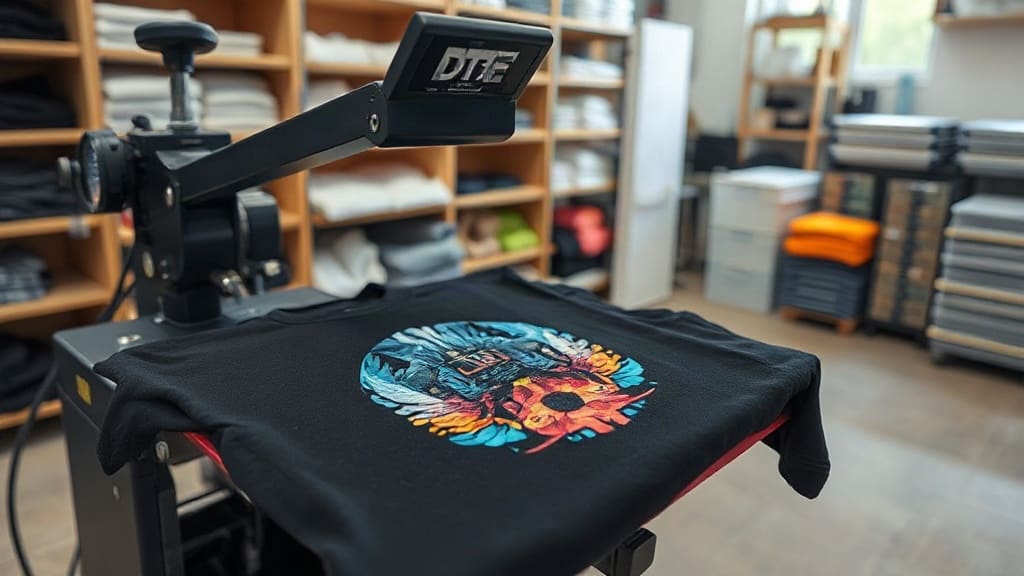
If you run a custom apparel business, you’ve probably heard about DTF (Direct to Film) printing. It’s become a popular way to create vibrant, durable transfers that work on many fabrics. But finding reliable DTF transfers near me can be tricky. You want quality, speed, and fair prices without sacrificing customer satisfaction. In this guide, I’ll walk you through everything you need to know about DTF transfers near me, from how they work to how to choose the right provider for your business.
What Is DTF Printing?
DTF stands for Direct to Film. It’s a printing method where a design is printed onto a special PET film using a DTF printer, then covered with adhesive powder. The film is then heat-pressed onto a garment, transferring the design. This process is different from screen printing or vinyl because it allows full-color prints with fine details, gradients, and even photographic images. Plus, DTF transfers work on cotton, polyester, blends, and many other materials, making them super versatile for apparel customization.
How DTF Transfers Are Made
The process starts with a digital design. The printer uses CMYK plus white ink to print the image on the film. White ink is crucial because it creates an underbase for colors to pop on dark shirts. After printing, a hot-melt adhesive powder is applied to the wet ink. The film goes through a curing oven or heat press to melt and set the powder. The result is a ready-to-press transfer that you can store until you need it.
Why Small Businesses Prefer DTF Transfers
Many small businesses, especially those doing on-demand printing or limited runs, love DTF transfers. Why? Because they offer a low barrier to entry. You don’t need a huge screen printing setup. You can order transfers from a provider and press them yourself. This saves time and money. Also, DTF prints feel soft and stretchy, which customers appreciate. They can withstand many washes without cracking or fading.
DTF vs. Other Methods
Compared to screen printing, DTF transfers have lower setup costs and are perfect for short runs. Vinyl cutting is limited to solid colors, while DTF gives you full-color range. Direct-to-garment (DTG) printing is great for cotton but struggles on dark fabrics without pretreatment. DTF works on both light and dark shirts without extra steps. So it’s a flexible option for a variety of products like t-shirts, hoodies, tote bags, and even hats.
How to Find Quality DTF Transfers Near Me
When you search for DTF transfers near me, you’ll likely see many local print shops and online services. But not all are equal. You need to evaluate them based on several factors to ensure you get the best product for your customers.
Check the Quality of Their Prints
Ask for samples or look at their portfolio. High-quality DTF transfers have vibrant colors, sharp edges, and a soft feel after pressing. The adhesive should be evenly applied. If the transfer looks shiny or thick, it may not press well. Also, test the washability. A good transfer should survive at least 50 washes without losing color or peeling.
Inquire About Their Equipment and Inks
Providers using modern DTF printers and genuine inks tend to produce better results. Ask if they use water-based or eco-solvent inks. Water-based is more environmentally friendly and yields softer prints. Also, check if they use high-quality films and adhesives. These details matter.
Consider Turnaround Time
If you need transfers quickly, find a provider that can deliver within a few days. Some local shops offer same-day or next-day service. Online services might take longer due to shipping. Always ask about their current turnaround and any rush options.
Read Reviews and Ask for References
Look for testimonials from other small business owners. You can also join local Facebook groups or forums where people recommend services. Personal experiences are valuable. If you know someone who uses DTF, ask them who they trust.
Cost Considerations for DTF Transfers
Pricing for DTF transfers varies based on size, quantity, and complexity. Typically, you can expect to pay a few dollars per transfer. Some providers offer bulk discounts. But remember, cheaper isn’t always better. Poor quality transfers might crack or peel, leading to unhappy customers and refunds. So focus on value, not just price.
Price Breakdown
Let’s say you want a 10x10 inch transfer. On average, it might cost $3 to $6 per piece, depending on volume. Rush orders or intricate designs may cost more. Also, consider shipping costs if you order online. Local providers save you shipping time and fees.
Bulk Orders and Wholesale
If you have a steady demand, look for providers that offer wholesale pricing. Some companies give discounts for orders above 100 pieces. This can significantly reduce your per-unit cost, improving your profit margin.
Tips for Using DTF Transfers Effectively
Once you find a reliable source for DTF transfers near me, you need to press them correctly. Follow these tips to ensure great results every time.
Heat Press Settings
Use a heat press, not a home iron, for best results. Set the temperature to around 320°F (160°C). Pressure should be medium to firm. Press for 10 to 15 seconds. Then peel the film while it’s still hot (hot peel) or after it cools (cold peel), depending on the manufacturer’s instructions. Always do a test press first.
Preparing the Garment
Make sure the fabric is clean and free of wrinkles. For dark garments, you might want to pre-press to remove moisture. This helps the transfer adhere better. Also, position the design correctly. Use a template or ruler to center it.
Post-Press Care
After peeling, you can optionally do a second press with a Teflon sheet over the design for a few seconds. This helps secure the adhesive. Then, advise your customers to wash the garment inside out in cold water and hang dry to prolong the life of the print.
Common Mistakes to Avoid
Even with good transfers, mistakes happen. Here are some pitfalls to avoid:
- Using too high temperature: This can cause the adhesive to melt too much, making the print stiff or shiny.
- Pressing too long: This can scorch the fabric or cause ghosting.
- Peeling too soon: If the instructions say cold peel, wait. Otherwise, you might lift off some ink.
- Ignoring ink coverage: Ensure your design has proper white underbase for dark shirts. Some providers might not print it correctly.
Case Study: How I Started with DTF
I remember my first order of DTF transfers. I was nervous about the quality, so I ordered from a local shop that came recommended. They sent me a sample pack, and I tested it on a few shirts. The colors were vibrant, and the print felt soft. I started with small batches, and my customers loved the results. Over time, I built a relationship with the provider, and now I get wholesale prices. This helped me grow my business without investing in expensive equipment.
Future of DTF Printing
The demand for DTF transfers is growing. More businesses are adopting this method because of its flexibility and cost-effectiveness. As technology advances, we can expect even better print quality and faster production. For small businesses, this means more opportunities to offer custom products without huge upfront costs.
Frequently Asked Questions
How long do DTF transfers last?
With proper application and care, DTF transfers can last for years. They withstand multiple washes without cracking or fading. However, the lifespan depends on the quality of the transfer and how you press it. Always follow the manufacturer’s guidelines for temperature, pressure, and time.
Can I use DTF transfers on any fabric?
Yes, DTF transfers work on various fabrics including cotton, polyester, nylon, and blends. They are also suitable for leather, denim, and even canvas. However, very stretchy fabrics might require special handling. Always test on a sample first.
What is the difference between DTF and sublimation?
Sublimation requires polyester or polymer-coated items, and it dyes the fabric itself. DTF uses an adhesive layer, so it can stick to many materials. DTF also allows printing on dark colors, which sublimation can’t do without full sublimation blanks. So DTF is more versatile for cotton and blends.
How much should I charge for DTF prints?
Your pricing should cover your costs plus a profit margin. Consider the transfer cost, your time, and overhead. Many businesses charge $10 to $20 per shirt, depending on the design complexity and market. Research your local competitors to stay competitive.
Where can I find reliable DTF transfers near me?
Start by searching online for local print shops that offer DTF services. Check their websites and social media for examples. Also, ask for quotes and samples. Don’t forget to read reviews and ask other business owners for recommendations. If you can’t find a local provider, many online services ship nationwide with good quality.
Conclusion
Finding the right DTF transfers near me can make or break your apparel business. You need a provider that delivers consistent quality, fair pricing, and reliable turnaround. Take your time to evaluate options, request samples, and test their products. With the right partner, you can offer stunning custom apparel that keeps your customers coming back. So start your search today, and don’t settle for less than the best.