
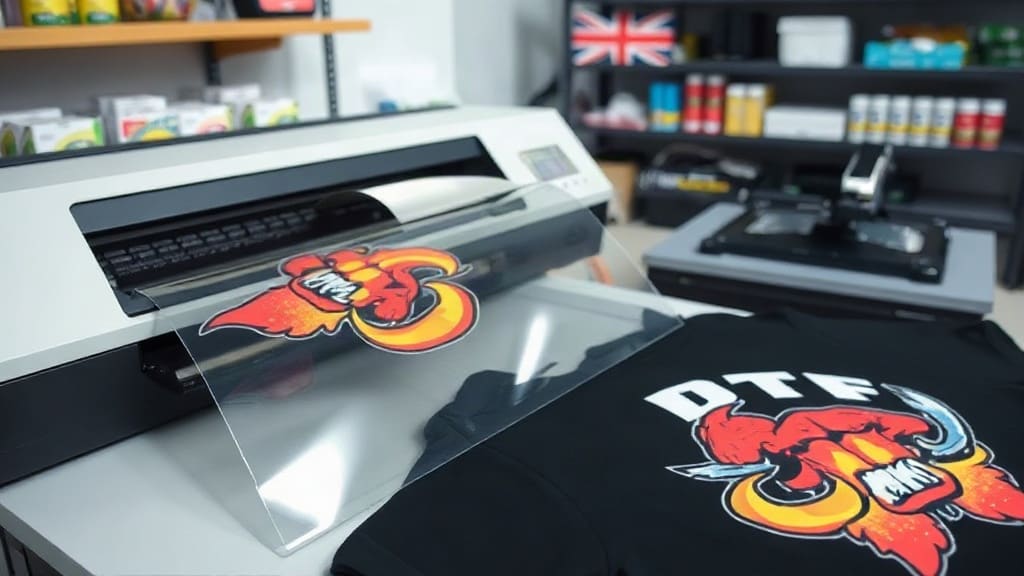
If you've been exploring custom apparel printing, you've likely encountered DTF printing. Short for Direct-to-Film, this method has quickly gained popularity among crafters and small business owners for its versatility and vibrant results. Unlike traditional techniques that require specialized equipment or pre-treated fabrics, DTF printing offers a straightforward workflow that can produce stunning, full-color designs on a wide range of materials. In this guide, we'll walk you through the essentials of DTF printing, from the basic process to practical tips for achieving professional-looking results.
What Is DTF Printing?
DTF printing is a digital printing technology where designs are printed onto a special film, coated with a powder adhesive, and then heat-pressed onto fabric. The process begins with a digital printer that uses pigment-based inks to print the image onto a PET film. While the ink is still wet, a fine powder (often called hot-melt adhesive) is applied evenly across the film. After shaking off the excess, the film is heated to melt the powder, creating a transferable layer. Finally, the film is placed on the fabric and pressed with a heat press, transferring the design permanently.
What sets DTF apart is its ability to print on nearly any fabric, including cotton, polyester, blends, and even leather. It doesn't require pre-treatment like DTG (Direct-to-Garment) printing, and it can handle intricate details, gradients, and photographic images with ease. This makes it an attractive option for those who want high-quality, durable prints without the limitations of other methods.
Why Choose DTF Printing?
There are several reasons why DTF printing has become a favorite among apparel decorators. Let's explore the key benefits.
Versatility Across Fabrics
One of the biggest advantages of DTF printing is its compatibility with a wide range of materials. Whether you're working with 100% cotton t-shirts, polyester athletic wear, or even canvas bags, DTF can adhere well. This eliminates the need to stock multiple types of transfer papers or adjust your process for different fabrics. For small businesses, this means you can offer more products without investing in additional equipment.
Durability and Wash Resistance
When done correctly, DTF prints are incredibly durable. The ink and adhesive bond firmly to the fabric, resisting cracking, peeling, and fading even after multiple washes. This is a significant improvement over some heat transfer vinyl (HTV) applications, which can lift at the edges over time. Proper washing inside-out in cold water and avoiding harsh detergents will further extend the life of your prints.
No Weeding or Cutting Required
Unlike HTV, DTF printing doesn't require weeding or cutting. You simply print, powder, cure, and press. This saves a tremendous amount of time, especially for complex designs with many small elements. It also reduces waste because you can print multiple designs on a single sheet of film and cut them apart after transfer.
Vibrant, Full-Color Output
DTF printers use CMYK plus white ink, allowing for bright, opaque colors on both light and dark garments. The white ink acts as a base, ensuring that colors pop even on black or navy fabrics. This is a game-changer for those who want detailed, photo-realistic prints without the limitations of other methods.
The DTF Printing Process Step by Step
Understanding the workflow is essential for successful DTF printing. Here's a breakdown of each stage.
1. Design Preparation
Start with a high-resolution image (300 DPI is recommended). Mirror the design horizontally before printing, as the film will be flipped when pressed. Ensure that your printer's software is set to handle DTF specifics, such as ink limits and white ink layering.
2. Printing onto Film
Load the PET film into your DTF printer. The printer lays down CMYK inks followed by a white ink layer. Some printers allow you to adjust the amount of white ink for better opacity. After printing, the film will have a wet, glossy appearance.
3. Powder Application
While the ink is still wet, sprinkle the hot-melt powder evenly over the printed area. You can use a shaker bottle or an automatic powder machine for consistency. Gently shake off excess powder, ensuring an even coat. Too much powder can lead to a rough texture; too little may result in poor adhesion.
4. Curing the Powder
Place the film in a curing oven or under a heat source (like a heat press with the film suspended) at around 160-170°C (320-340°F) for 2-3 minutes. The powder will melt and become glossy, indicating it's ready. Avoid overheating, as it can damage the film.
5. Heat Pressing onto Fabric
Preheat your heat press to 160-170°C (320-340°F). Place the fabric on the press, position the film with the design facing up, and press for 15-20 seconds with medium pressure. For best results, use a Teflon sheet or parchment paper over the film. After pressing, peel the film off while it's still warm (warm peel) or let it cool completely (cold peel) depending on the adhesive type. Most modern DTF films are cold peel, but always check the manufacturer's instructions.
Common Challenges and How to Overcome Them
Like any printing method, DTF has its quirks. Here are some common issues and solutions.
Insufficient Adhesion
If the print peels off after washing, it could be due to insufficient pressure, incorrect temperature, or too little powder. Ensure your heat press is calibrated and apply even pressure. Also, make sure the powder is fully cured before pressing.
Color Fading or Dullness
Fading can occur if the ink isn't properly cured or if the fabric isn't compatible. Use high-quality inks and film, and always test on a scrap piece of fabric first. For dark garments, ensure the white ink layer is thick enough to make colors pop.
Film Sticking to the Press
This often happens if the film is overheated or if there's too much powder. Reduce the pressing time or temperature, and use a protective sheet. Also, allow the film to cool slightly before peeling if you're experiencing sticking.
Tips for Getting Started with DTF Printing
If you're new to DTF, here are some practical tips to set yourself up for success.
- Invest in a reliable printer: While you can convert some inkjet printers, dedicated DTF printers are designed for the process and yield better results.
- Use quality supplies: Not all films and powders are created equal. Purchase from reputable suppliers to avoid issues.
- Practice with small designs: Before tackling large, complex images, start with simple designs to get a feel for the process.
- Maintain your equipment: Regular cleaning of printheads and proper storage of film and powder will extend their lifespan.
- Join communities: Online forums and social media groups are invaluable for troubleshooting and learning from others' experiences.
Frequently Asked Questions About DTF Printing
Can I use DTF printing on 100% polyester?
Yes, DTF printing works well on polyester and polyester blends. However, because polyester is sensitive to high heat, you may need to lower the pressing temperature slightly (around 150°C or 300°F) and test first to avoid scorching or dye migration. Using a lower temperature adhesive powder can also help.
How long do DTF prints last?
With proper application and care, DTF prints can last as long as the garment itself. They are resistant to cracking and fading, but following washing instructions (inside out, cold water, no bleach) will maximize longevity. Avoid ironing directly on the print.
Do I need a special printer for DTF?
While you can convert some inkjet printers to DTF by using DTF ink and film, dedicated DTF printers are recommended for consistent results. They are equipped with white ink circulation systems and other features that prevent clogging and ensure proper ink layering.
Is DTF printing cost-effective for small businesses?
Yes, DTF printing can be very cost-effective, especially for short runs and complex designs. The supplies (film, powder, ink) are relatively inexpensive per print, and there's no minimum order quantity. However, the initial investment in a printer and heat press should be considered.
What fabrics should I avoid with DTF?
Avoid fabrics with heavy textures (like terry cloth) or those that cannot withstand heat (like some nylons or delicate synthetics). Also, fabrics with a waterproof coating may prevent proper adhesion. Always test on a small area first.
Final Thoughts
DTF printing opens up a world of possibilities for custom apparel. Its ability to produce vibrant, durable prints on almost any fabric makes it a versatile tool for hobbyists and professionals alike. By understanding the process, troubleshooting common issues, and following best practices, you can achieve professional-quality results that impress your customers. Whether you're just starting out or looking to expand your printing capabilities, DTF is a technique worth mastering.