
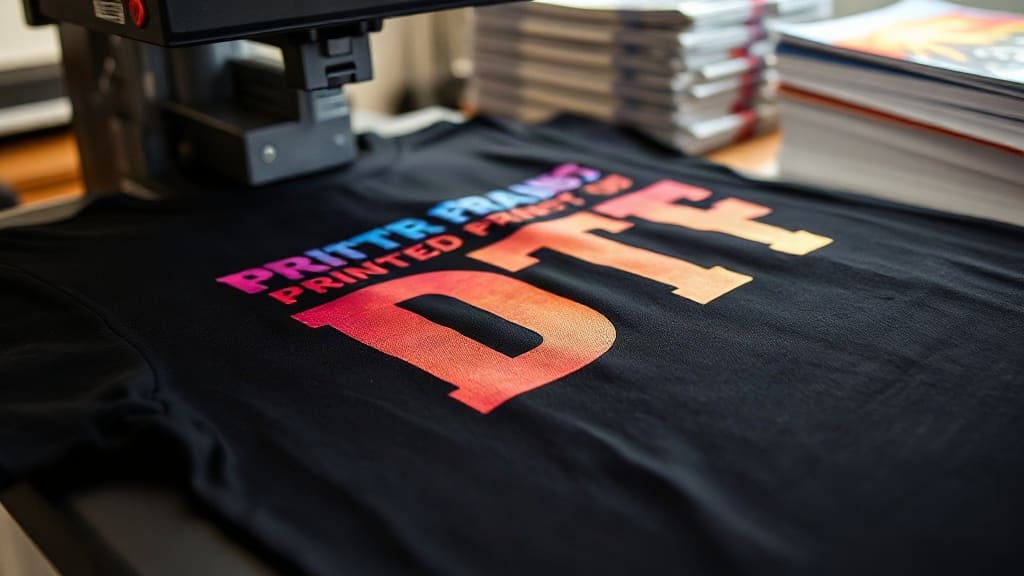
When you first hear about DTF printing, it might sound like just another printing acronym. But for anyone who decorates apparel, it opens up a world of possibilities. Unlike methods that require specific fabric types or heavy equipment, DTF printing adapts to almost any material, from cotton to polyester blends, and produces transfers that stretch and flex with the garment. Whether you're a hobbyist or running a small print shop, understanding how DTF works can elevate your custom apparel game.
What Exactly Is DTF Printing?
DTF stands for Direct to Film. It's a digital printing process where your design is printed onto a special PET film, coated with a hot-melt adhesive powder, and then heat-pressed onto the fabric. The magic happens because the film acts as a carrier, allowing the ink and adhesive to transfer as a single, flexible layer. This means you can print on dark colors without a separate white underbase, and you can apply the transfer to materials that would normally be tricky for other methods.
The DTF Printing Process Step by Step
To get consistent results, follow these stages:
- Design Preparation: Create your artwork in a graphics program, mirror it horizontally, and print it onto DTF film using a DTF printer with pigment inks. White ink is typically printed as a base, followed by CMYK.
- Powder Application: While the ink is still wet, sprinkle hot-melt adhesive powder evenly over the print. Shake off the excess, then melt the powder using a heat gun or in a curing oven until it turns glossy.
- Transfer: Place the film onto your fabric with the powder side down. Apply heat and pressure with a heat press to activate the adhesive and bond the ink to the fabric.
- Peel: After pressing, peel the film away. For a matte finish, peel while hot; for a glossy finish, wait until it cools.
Why Choose DTF Over Other Printing Methods?
DTF printing shines in several scenarios. If you've ever tried screen printing on a polyester jersey and seen the ink bleed or crack, DTF offers a solution. It doesn't require separate screens for each color, making short runs and complex designs more affordable. And because the transfers are flexible, they hold up well on stretchy fabrics like spandex and performance wear. Plus, you can store the printed films for months and press them on demand, which is great for inventory management.
DTF vs. DTG: What's the Difference?
Direct to Garment (DTG) printing is another digital method, but it requires fabric pre-treatment and works best on 100% cotton. DTF, on the other hand, can be used on nearly any fabric, including blends, and often has a softer hand. DTG might be simpler for a one-off cotton t-shirt, but DTF is more versatile for mixed materials.
Key Supplies and Equipment for DTF Printing
Getting started with DTF involves a few specific items. You'll need a DTF printer (or access to one), DTF ink, DTF film, hot-melt adhesive powder, and a heat press. A heat gun or curing oven is also handy for melting the powder. When selecting film, look for double-sided matte or glossy options; both work, but matte tends to hold powder better. For ink, pigment-based DTF inks are formulated to create a stretchable film when combined with the adhesive.
Choosing the Right DTF Film and Powder
Not all films are created equal. Cheaper films can cause ink smearing or poor powder adhesion. Brands like Coldesi and DTF Station offer reliable options. For powder, particle size matters: finer powders (around 80-200 microns) melt evenly and produce a smooth finish. Coarser powders might leave a gritty texture. Always store powder in an airtight container to prevent clumping.
Step-by-Step: How to Apply DTF Transfers
Applying a DTF transfer is straightforward, but the details make the difference. Here's a foolproof method:
- Preheat the Fabric: Press the garment for a few seconds to remove moisture and wrinkles.
- Position the Transfer: Place the DTF film on the fabric with the powder side down. If you're using a tacky film, it may stick lightly.
- Press: Set your heat press to 325°F (160°C) with medium pressure (around 40-60 PSI). Press for 15-20 seconds.
- Peel: For a hot peel, remove the film immediately; for a cold peel, wait until it's completely cool. Most DTF transfers are hot peel, but check your film's instructions.
- Post-Press (Optional): For extra durability, press again with a Teflon sheet for 5-10 seconds.
Heat Press Settings for Different Fabrics
Cotton and blends usually take 325°F for 15 seconds. Polyester can be more sensitive to heat, so lower to 300°F and press for 10-15 seconds to avoid scorching. Always test on a scrap piece first. Nylon and other synthetics may require even lower temperatures; check the fabric's care label.
Common DTF Printing Problems and How to Fix Them
Even with the right technique, issues can arise. Here are some frequent ones and their solutions:
- Ink Cracking: Usually caused by under-curing the powder. Increase melting time or temperature.
- Poor Adhesion: May result from insufficient pressure or pressing time. Ensure your heat press is calibrated and apply firm pressure.
- Color Fading: Use high-quality DTF ink and store prints away from direct sunlight. Also, avoid over-stretching the garment during pressing.
- Powder Not Melting Fully: If the powder remains grainy, your heat source might be too weak. Use a heat gun at close range or a curing oven.
Tips for Vibrant and Durable DTF Transfers
To get professional results, pay attention to the details. Start with a high-resolution image (300 DPI) and ensure your printer is set to the correct ink profile. When applying powder, work in a well-ventilated area and use a powder shaker for even coverage. After pressing, let the garment cool completely before stretching or wearing. And always follow the wash instructions: turn the garment inside out, use cold water, and avoid bleach.
Frequently Asked Questions About DTF Printing
Can I use DTF on any fabric?
Yes, DTF works on cotton, polyester, blends, nylon, and even leather. It's one of the most versatile methods available.
How long do DTF transfers last?
With proper application and care, DTF prints can last 50+ washes without significant fading or cracking.
Do I need a special printer for DTF?
You need a DTF printer that uses pigment inks and has a white ink channel. Converted Epson printers are popular for small setups.
What's the best way to store DTF films?
Keep them in a cool, dry place, away from direct sunlight. Stack them with parchment paper between sheets to prevent sticking.
Is DTF printing cost-effective for small orders?
Yes, because there are no minimums and you can print one-off designs, DTF is ideal for small batches and personalized items.