
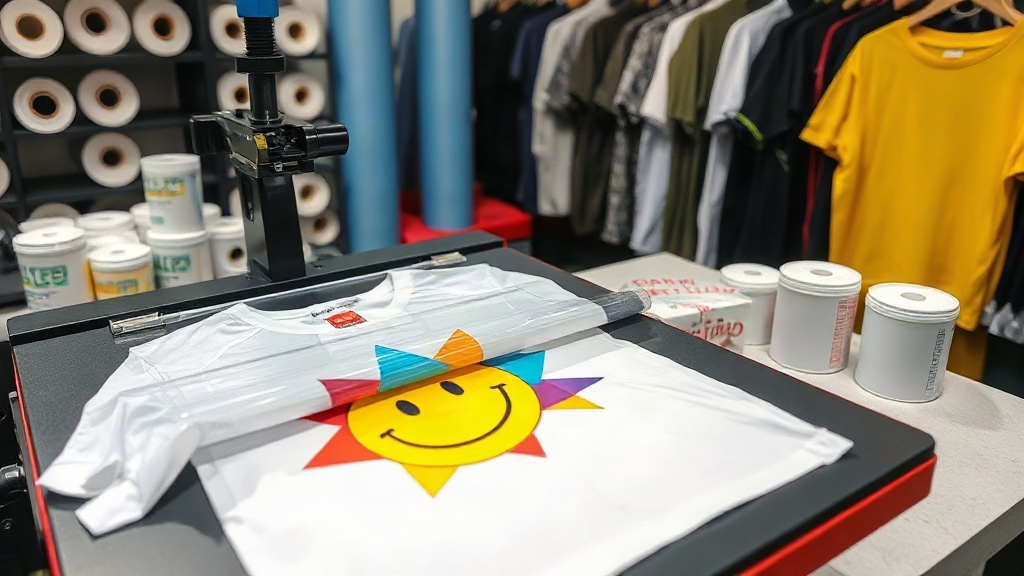
Custom apparel printing has evolved dramatically over the past decade, and one of the most exciting developments is the rise of DTF transfers. If you are new to this technology or considering it for your business, you might be wondering what makes it so special. In this guide, we will break down what DTF transfers are, how they work, and why they are quickly becoming the go-to method for creating vibrant, durable custom garments.
What Are DTF Transfers?
DTF stands for Direct to Film. Unlike traditional screen printing or direct-to-garment (DTG) printing, DTF involves printing a design onto a special PET film, applying adhesive powder, and then heat pressing the design onto a garment. This method allows you to print on a wide range of materials, including cotton, polyester, blends, and even nylon. The result is a soft, flexible, and highly detailed print that can withstand repeated washing.
The process is simpler than it sounds. You start by printing your design in reverse onto the film using a DTF printer equipped with white ink. After printing, you cover the ink with a hot-melt adhesive powder, shake off the excess, and cure the powder. Then, you pre-press your garment to remove moisture, place the film on it, and apply heat and pressure for a few seconds. Peel away the film, and your transfer is complete.
Why DTF Transfers Are Gaining Popularity
There are several reasons why DTF transfers have become a buzzword in the apparel industry. First, they offer incredible versatility. You can print on both light and dark fabrics without needing a pretreatment solution. That is a huge advantage over DTG, which often requires special coatings for dark shirts. Second, the quality is outstanding. Colors are vibrant, and fine details are crisp, making it perfect for complex logos and photographic prints.
Another key benefit is cost-effectiveness. For small runs, DTF transfers are more affordable than screen printing because there are no setup fees. You can print one-off designs or small batches without worrying about minimum order quantities. This makes DTF an ideal choice for print-on-demand businesses, custom shops, and anyone who wants to test new designs without committing to large inventory.
How DTF Transfers Compare to Other Methods
To truly appreciate DTF transfers, it helps to compare them to other popular printing techniques.
DTF vs. Screen Printing
Screen printing has been the industry standard for decades because it produces durable prints at a low cost for large quantities. However, it requires significant setup time and effort. Each color needs its own screen, making it impractical for designs with many colors or gradients. DTF transfers, on the other hand, allow full-color printing with no setup. The only trade-off is that for extremely large orders, screen printing may still be cheaper per unit.
DTF vs. DTG Printing
DTG printing directly applies ink onto the garment, which gives it a very soft feel. Yet, DTG machines are expensive and often require maintenance. They also struggle with textured fabrics and need pre-treatment for dark garments. DTF transfers offer similar quality with more flexibility. You can run DTF transfers on almost any fabric, and you don't need to worry about the fabric's fiber content as much.
DTF vs. Vinyl Heat Transfer
Vinyl is great for simple designs with few colors, but it can feel stiff and is not suitable for detailed artwork. DTF transfers outperform vinyl in terms of detail, color range, and softness. Plus, vinyl requires weeding, which is time-consuming, whereas DTF transfers are ready to use after printing.
Applications of DTF Transfers
Because of their versatility, DTF transfers are used in many industries. Here are some common applications:
- Custom t-shirts and hoodies for events, sports teams, and school spirit wear.
- Personalized gifts, such as mugs, tote bags, and pillowcases.
- Workwear and uniforms with reflective or high-visibility prints.
- Fashion apparel, including stylish streetwear and boutique items.
- Promotional products for corporate branding.
The ability to print on non-fabric items like mugs and bags also makes DTF a versatile addition to any print shop.
Key Factors for Successful DTF Printing
To get the best results with DTF transfers, you need to pay attention to a few critical factors.
Quality of Film and Ink
Invest in high-quality PET film and DTF inks. Cheap materials can lead to poor adhesion, cracking, or faded colors. Look for inks that provide good opacity and stretchability. The film should be compatible with your printer and have the right coating to hold the ink.
Adhesive Powder
The adhesive powder is what makes the transfer stick to the fabric. There are different types of powder, some for light fabrics and others for dark fabrics. Make sure you use the correct one for your application. Also, shake off excess powder thoroughly to avoid a stiff hand feel.
Heat Press Settings
Temperature, pressure, and time are crucial. Typically, you'll need a temperature around 300°F to 320°F (150°C to 160°C) and press for 10 to 15 seconds. However, always test with your specific materials to find the optimal settings. A heat press with a digital temperature control and adjustable pressure is essential.
Preparing the Garment
Pre-press the garment to remove moisture and wrinkles. This ensures better adhesion. Place the film on the garment, apply heat, and then peel the film either hot or cold, depending on the instructions. Usually, hot peeling is faster and leaves a smoother finish.
Tips for Starting with DTF Transfers
If you are planning to add DTF transfers to your business, here are some practical tips based on industry experience.
Start Small and Test
Before investing in a full DTF setup, consider buying pre-made transfers from a supplier to test the waters. This allows you to see the quality and understand the process without a large upfront cost. Once you are confident, you can purchase a DTF printer and related equipment.
Focus on Design
Your designs need to be high-resolution and have proper color separation. Use vector files (like SVG or EPS) when possible, and ensure your PNG files have a transparent background. Avoid overly thin lines that might not transfer well.
Maintenance Matters
Keep your DTF printer clean and well-maintained. Regularly clean the print head and use high-quality inks to prevent clogging. Also, store your film and powder in a dry, cool place to maintain their effectiveness.
Build Relationships with Suppliers
Choose reliable suppliers for your film, powder, and other consumables. Consistency in material quality is key to producing consistent transfers. Read reviews and ask for samples before making bulk purchases.
Common Mistakes to Avoid
Even experienced printers can make errors when starting with DTF transfers. Here are some pitfalls to avoid:
- Using the wrong adhesive powder for the fabric type.
- Not shaking off enough powder, resulting in a heavy hand.
- Applying too much heat or pressure, which can cause ghosting or bleeding.
- Peeling the film too early or too late, depending on the transfer type.
- Ignoring humidity, which can affect the powder's performance.
By being mindful of these issues, you can save time and materials.
The Future of DTF Transfers
As technology advances, DTF transfers are becoming even more accessible and efficient. Newer printers offer higher resolution and faster speeds. There are also eco-friendly options, such as water-based inks and recyclable films. This makes DTF a sustainable choice for environmentally conscious businesses.
Moreover, the market for custom apparel is booming. With the rise of online marketplaces and print-on-demand services, the demand for flexible, high-quality printing methods is higher than ever. DTF transfers are poised to play a major role in this growth, offering a perfect balance of quality, cost, and versatility.
Conclusion
In summary, DTF transfers have revolutionized custom apparel printing by providing a practical, affordable, and high-quality solution for both small businesses and large-scale operations. Their ability to print on diverse surfaces, combined with ease of use, makes them a smart investment. Whether you are looking to expand your print offerings or start a new venture, DTF transfers are definitely worth considering. With proper technique and quality materials, you can produce stunning garments that your customers will love.
Frequently Asked Questions
What is the difference between DTF transfers and screen printing?
DTF transfers are a digital printing method that requires no setup, making them ideal for small orders and intricate designs. Screen printing involves creating screens for each color, which is cost-effective for large quantities but expensive for small runs.
Can DTF transfers be applied to any fabric?
Yes, DTF transfers work on a wide range of fabrics, including cotton, polyester, blends, and even some synthetic materials. However, it is always best to test on a sample to ensure adhesion and durability.
How long do DTF transfers last?
With proper application and care, DTF transfers can last as long as the garment itself. They are resistant to cracking and fading, and they can withstand repeated washing without significant wear.
Do I need a heat press for DTF transfers?
Yes, a heat press is essential for applying DTF transfers correctly. It provides the necessary temperature and pressure to activate the adhesive and bond the design to the fabric.
What equipment do I need to start making DTF transfers?
To make DTF transfers, you need a DTF printer (which is often an inkjet printer modified to print on PET film), DTF inks, PET film, adhesive powder, a curing oven or heat gun, and a heat press for application.