
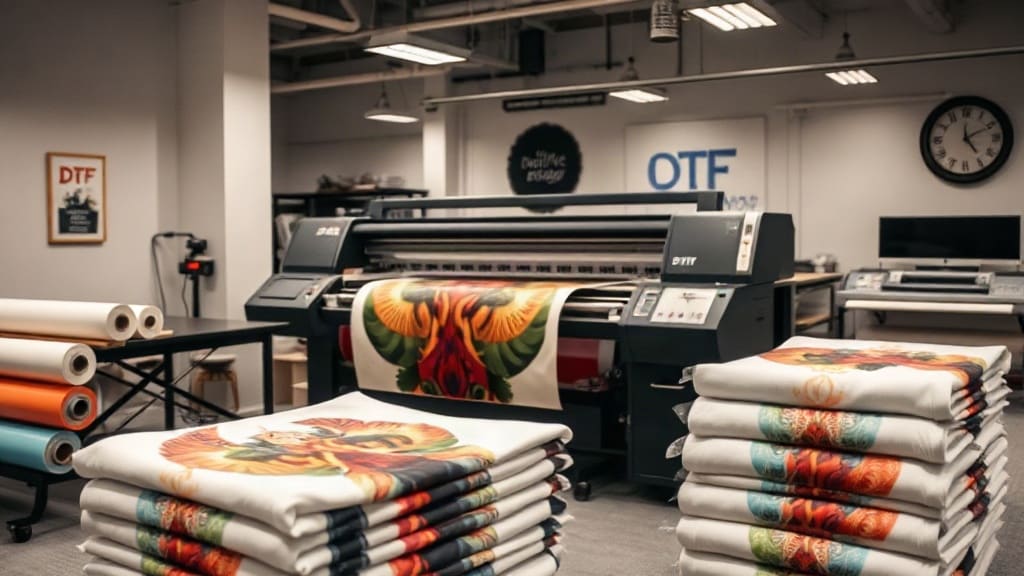
In the fast-evolving world of custom apparel, staying ahead of the competition requires embracing technologies that offer both quality and efficiency. Enter dtf transfers, a game-changing method that has taken the printing industry by storm. Whether you're a seasoned screen printer or just starting your own clothing brand, understanding how DTF transfers work and why they matter can significantly impact your bottom line. In this comprehensive guide, we'll dive deep into what makes DTF transfers so special, how they compare to other methods, and practical tips to integrate them into your business seamlessly.
What Are DTF Transfers?
DTF, or Direct to Film, is a printing technique where designs are printed onto a special PET film using a DTF printer and then transferred onto fabrics using a heat press. Unlike traditional methods that print directly onto the garment, DTF transfers are created on a film first, allowing for greater flexibility in design placement and color vibrancy. The process begins with printing a mirrored image onto the film using CMYK inks plus white ink as a base. After printing, a hot melt adhesive powder is applied to the wet ink, and the film is cured to make the adhesive bond. The result is a ready-to-press transfer that can be stored and used anytime, making it ideal for on-demand printing and small to medium production runs.
Why DTF Transfers Are Perfect for Your Apparel Business
The rise of dtf transfers is no accident. They offer a unique combination of benefits that cater to the needs of modern custom apparel businesses. Let's explore some of the key advantages that make DTF transfers a smart investment.
Exceptional Versatility Across Fabrics
One of the standout features of DTF transfers is their ability to adhere to a wide range of materials. Unlike heat transfer vinyl (HTV) which works best on cotton, or direct-to-garment (DTG) printing that struggles with polyester blends, DTF transfers excel on cotton, polyester, blends, nylon, and even leather. This versatility opens doors to creating custom apparel that was previously challenging or impossible, such as performance wear, jerseys, and promotional items. If you've ever had to turn down a customer because the fabric wasn't suitable, DTF transfers can turn those missed opportunities into sales.
Vibrant Colors and Sharp Details
DTF transfers are renowned for their color reproduction. The white ink layer ensures that colors pop even on dark fabrics, while the CMYK layers deliver rich, detailed images. The adhesive powder creates a soft, durable finish that doesn't crack or fade easily, even after multiple washes. This is a significant advantage over traditional screen printing, which can sometimes result in a thick, rubbery feel. With DTF transfers, you can achieve photographic quality prints with intricate gradients and fine lines, making your products look premium and professional.
Cost-Effective for Short Runs
Setting up a traditional screen printing job involves creating screens, which is time-consuming and costly for small quantities. DTF transfers eliminate these setup costs. You can print a single design or a handful of items without breaking the bank. This makes DTF transfers ideal for small businesses, startups, and those who offer on-demand or print-to-order services. Instead of being forced into minimum order quantities, you can fulfill orders of any size, reducing inventory waste and allowing you to test new designs with minimal risk.
DTF Transfers vs. Other Printing Methods
To appreciate the value of dtf transfers, it's essential to compare them with other popular techniques. Each method has its strengths and weaknesses, and knowing when to use DTF can save you time and money.
DTF vs. Direct-to-Garment (DTG)
DTG printing is similar in that it produces high-quality, detailed prints without screens. However, DTG printers are typically more expensive and require careful maintenance to avoid clogging. They also work best on 100% cotton fabrics, while DTF transfers offer more fabric flexibility. DTG is excellent for large-scale production, but DTF transfers are more accessible for small runs and offer the convenience of printing transfers ahead of time, which can be pressed on demand.
DTF vs. Screen Printing
Screen printing has long been the go-to for bulk orders due to its cost-per-unit efficiency. However, the initial setup cost is high, making it impractical for low quantities. Screen printing also struggles with detailed, multi-colored designs. DTF transfers, on the other hand, can handle complex designs with ease and have no minimum order. For businesses that cater to both small and large orders, having DTF capabilities can complement screen printing, allowing you to take on jobs that screen printing can't.
DTF vs. Heat Transfer Vinyl (HTV)
HTV is popular for its simplicity, but it has limitations. HTV is typically single-color and not suitable for intricate designs. It also requires weeding, which is time-consuming. DTF transfers eliminate weeding and allow full-color prints. While HTV is great for simple lettering and graphics, DTF transfers are a superior choice for complex artwork and photographic images.
How to Get Started with DTF Transfers
Integrating dtf transfers into your business involves several steps, from choosing the right equipment to mastering the pressing technique. Here's a practical roadmap to help you start.
Invest in the Right Equipment
To produce DTF transfers, you'll need a DTF printer, which is often an Epson or Brother printer modified for DTF use. Additionally, you'll need a heat press, an adhesive powder shaker, and a curing oven or heat gun. While the initial investment may seem significant, many businesses recoup costs quickly due to the low operational expenses and high profit margins. If you're not ready to invest in equipment, you can also partner with a DTF transfer supplier who will print the transfers for you. This allows you to test the waters without a large capital outlay.
Choose Quality Materials
The quality of your DTF transfers depends heavily on the film, ink, and powder you use. Low-quality supplies can lead to poor adhesion, cracking, or faded prints. Invest in professional-grade DTF film, eco-solvent or DTF-specific inks, and high-quality hot melt powder. It's also essential to ensure your printer is calibrated correctly and your curing process is consistent. Many suppliers offer starter kits that include everything you need, which can be a great way to ensure compatibility.
Master the Heat Press Technique
Pressing DTF transfers requires precision. The recommended temperature and pressure can vary depending on the fabric and transfer manufacturer, but a general starting point is 300°F (150°C) for 10-15 seconds with medium pressure. However, it's crucial to test on scrap fabric first. One common mistake is peeling the film too quickly or too slowly. For DTF, you typically use a hot peel, but always follow the instructions from your film supplier. Practice makes perfect, so don't be discouraged if your first few attempts aren't flawless. Once you get the hang of it, you'll be able to produce professional-quality prints consistently.
Best Practices for Successful DTF Printing
To maximize the potential of dtf transfers, keep these best practices in mind. They'll help you avoid common pitfalls and ensure your prints look great every time.
Pre-Treat Your Fabrics
While DTF transfers are versatile, pre-treating certain fabrics can improve adhesion. For example, nylon and polyester might benefit from a pre-treatment spray that enhances the bond between the adhesive and the fabric. Always test on a sample to see if pre-treatment is necessary. This extra step can prevent peeling and ensure durability.
Properly Cure the Adhesive
Curing the adhesive powder is critical. Under-curing will result in poor adhesion, while over-curing can make the transfer brittle. Use a curing oven that maintains a consistent temperature, or a heat gun with a temperature gauge. The powder should become transparent and slightly glossy after curing. Follow the manufacturer's guidelines for the best results.
Store Your Transfers Correctly
If you're printing transfers in advance, store them in a cool, dry place away from direct sunlight. Moisture can cause the adhesive to degrade, while heat can cause the film to stick together. Use a plastic bin or drawer to keep them flat and protected. When you're ready to press, the transfer should peel easily from the backing paper.
Scaling Your Business with DTF Transfers
As your business grows, DTF transfers can scale with you. You can start by outsourcing production and then transition to in-house printing as demand increases. Many businesses find that offering DTF transfer services to other local companies becomes a lucrative revenue stream. With the ability to produce high-quality transfers quickly, you can become a go-to supplier for other small businesses that lack the equipment.
Expanding Your Product Offerings
Because DTF transfers work on so many materials, consider expanding your product line beyond t-shirts. You can create custom sweatshirts, tote bags, caps, and even canvas shoes. This not only attracts a broader customer base but also increases the average order value. Don't be afraid to experiment with new items and see what resonates with your audience.
Marketing Your DTF Capabilities
Let your customers know that you offer DTF printing. Highlight the benefits in your marketing materials, such as the ability to print on various fabrics, the high durability of prints, and the fact that there are no minimum order quantities. Use social media to showcase before-and-after results, and consider offering sample packs to local businesses to demonstrate the quality.
Common Mistakes to Avoid
Even experienced printers can fall into traps when using dtf transfers. Here are some common issues and how to avoid them.
Using the Wrong Press Settings
Every transfer is different, and using generic settings can lead to subpar results. Always test with each batch of film or powder. Keep a log of the best settings for different fabric types. This attention to detail will set you apart from competitors who rely on guesswork.
Ignoring Quality Control
In the rush to fulfill orders, quality control can be overlooked. Inspect each print for defects, such as white edges or incomplete adhesion. A small flaw can damage your reputation. Implement a checklist for every job, including checking the press temperature, pressure, and dwell time.
Neglecting Maintenance
DTF printers require regular cleaning to function optimally. Clogged nozzles can ruin prints. Follow the manufacturer's maintenance schedule, and use quality cleaning solutions. If you notice streaks or missing colors, address them immediately.
Frequently Asked Questions
Can DTF transfers be used on dark-colored fabrics?
Absolutely. One of the biggest advantages of dtf transfers is their ability to print on dark fabrics without a white underbase. The white ink layer in the transfer ensures that colors appear vivid and opaque, even on black or navy garments. This is a significant benefit over DTG printers that often require a pretreatment for dark colors.
How durable are DTF transfers compared to screen printing?
DTF transfers are highly durable. When applied correctly, they can withstand numerous washes without cracking, fading, or peeling. The adhesive creates a strong bond with the fabric, and the print itself is flexible, making it resistant to stretching and wear. In many cases, DTF prints are just as durable as screen prints, if not more so, especially when care instructions are followed.
What is the minimum order quantity for DTF transfers?
One of the best things about DTF transfers is that there is no minimum order quantity. You can print just one transfer and press it onto a single garment. This makes DTF perfect for personalized gifts, sample products, or small batches. It also eliminates the need to keep large amounts of inventory, saving you storage space and reducing wasted stock.
Do I need a special printer for DTF transfers?
Yes, DTF printing requires a specialized printer that can handle white ink and print onto PET film. Many businesses convert Epson EcoTank printers for DTF use, but there are also dedicated DTF printers available on the market. If you're not ready to invest, you can buy pre-printed DTF transfers from a supplier and simply press them with a heat press, which is a more affordable entry point.
How long does it take to produce a DTF transfer?
The time to produce a DTF transfer depends on the complexity of the design and the printing speed. A simple one-color design might take only a few minutes from printing to curing. More complex, multi-colored designs will take longer. Once you have your setup optimized, you can produce dozens of transfers per hour, making DTF an efficient option for on-demand printing.
Conclusion
Incorporating dtf transfers into your custom apparel business is a smart move that can expand your capabilities, reduce costs, and improve customer satisfaction. Whether you're just starting or looking to upgrade your existing printing operations, DTF technology offers a flexible and profitable solution. By understanding the process, investing in quality equipment, and following best practices, you'll be well on your way to producing stunning, durable prints that stand out in the market. So, why wait? Explore the world of DTF transfers today and watch your business thrive.