
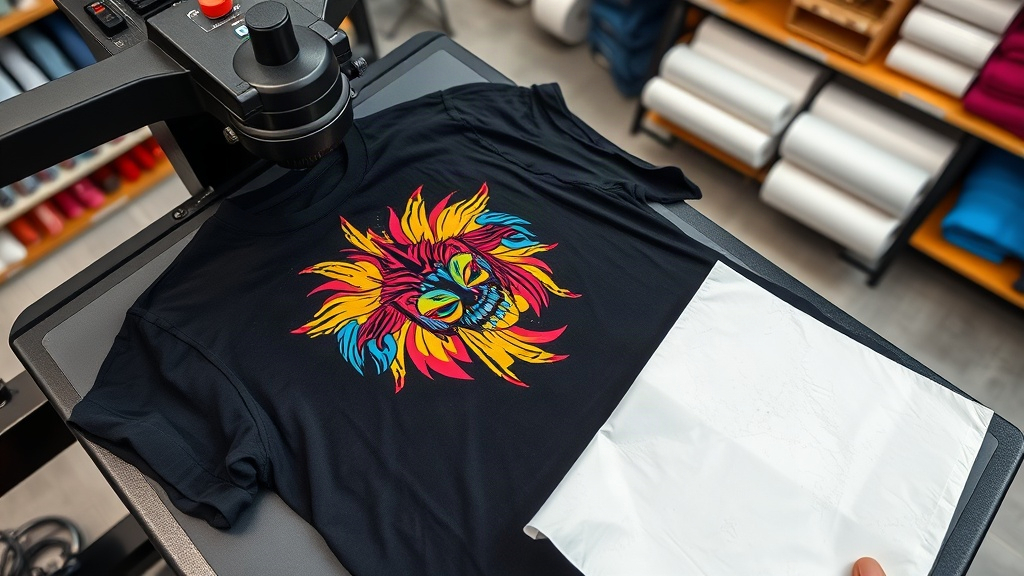
Direct to film printing, commonly known as DTF, has revolutionized the custom apparel industry. Whether you are a business owner, a hobbyist, or someone looking to create a one-of-a-kind gift, DTF transfers offer a versatile and cost-effective solution. But finding the right provider can be challenging, especially if you are searching for DTF transfers near me. In this guide, we will walk you through everything you need to know about DTF technology, how to choose the best local service, and what to expect in terms of quality and pricing.
I remember the first time I tried DTF for my small clothing line. I had been using screen printing for years, but the setup costs were eating into my profits. A friend suggested I try DTF transfers, and the difference was night and day. The prints were vibrant, the process was quick, and I could produce small batches without breaking the bank. Since then, I have honed my knowledge of DTF and am excited to share it with you.
What Are DTF Transfers?
DTF stands for Direct to Film. It is a printing method where a design is printed onto a special PET film using a DTF printer. A powdered adhesive is then applied to the wet ink, and the film is heated to cure the adhesive. The result is a transfer that can be applied to a wide range of fabrics using a heat press. Unlike traditional heat transfer vinyl (HTV), DTF does not require weeding, and it can print intricate, full-color designs with ease.
How DTF Transfers Work
The process involves several steps:
- The desired design is printed in reverse onto a PET film using specialized DTF inks (usually CMYK plus white).
- While the ink is still wet, a hot-melt adhesive powder is applied over the entire printed area.
- The film is then passed through a dryer or heat source to melt and cure the adhesive.
- To apply the transfer, you place the film on the fabric with the printed side down, apply heat and pressure with a heat press, and peel off the film. The adhesive bonds the design to the fabric.
This technique works on cotton, polyester, blends, and even some hard surfaces like mugs and mousepads, making it incredibly versatile.
Why Choose DTF Transfers?
There are several reasons why DTF has become so popular:
- Vibrant Colors: DTF prints are known for their bright, opaque colors, even on dark fabrics, thanks to the white ink layer.
- Soft Hand Feel: The prints are soft and flexible, without the heavy, plasticky feel of some other transfer methods.
- Durability: DTF transfers are highly durable and can withstand repeated washing and stretching without cracking or fading.
- No Weeding: Since the adhesive covers the entire printed area, you don't have to weed out excess material, saving time and effort.
- Cost-Effective for Small Runs: There are no screen setup costs, so you can print just one item or a small batch cost-effectively.
- On-Demand Production: You can print transfers as needed, reducing inventory and waste.
Finding DTF Transfers Near Me
When you search for DTF transfers near me, you will likely come across local print shops, specialized DTF providers, and even online services that ship. Each has its pros and cons. Here's what to consider when looking for a nearby provider:
Local Print Shops
Many traditional print shops now offer DTF services. Visiting a local shop has the advantage of seeing the quality in person and having face-to-face communication. You can bring your fabric samples and get immediate feedback. However, not all shops have invested in DTF technology, so you may need to call ahead to ask.
Specialized DTF Providers
Some businesses focus exclusively on DTF transfers. They often have a streamlined process and can offer competitive pricing. They might also sell DTF supplies if you prefer to do it yourself. Look for local providers through online directories, social media, or word of mouth.
Online Services
While the search is for near me, don't discount online DTF services. Many online companies offer high-quality transfers at low prices and ship quickly. The downside is you can't inspect the product before purchase, but you can order samples to test the quality. Also, shipping times and costs might affect your turnaround.
How to Choose the Right DTF Transfer Provider
Selecting the right provider is crucial for getting the best results. Here are key factors to evaluate:
Quality of Prints
Ask to see samples or a portfolio. A reliable provider should be proud to show their work. Look for sharp details, vibrant colors, and a smooth finish. If possible, touch the print to feel the texture. Poor quality DTF might have rough edges, fading, or excessive adhesive.
Turnaround Time
Depending on your needs, turnaround time can be critical. Ask for their standard production time and whether they offer rush orders. A good provider will be transparent about their capacity and delivery schedule.
Pricing
DTF pricing typically depends on the size of the transfer and the quantity. Larger prints cost more due to more ink and film. Some providers charge a setup fee, but many don't. To compare, get quotes from several local and online services. Remember, the cheapest option isn't always the best if quality suffers.
Customer Service
Good communication is essential. A provider that responds quickly, answers your questions, and offers advice is more likely to deliver a product that meets your expectations. Check online reviews to gauge their reputation.
Cost Considerations for DTF Transfers
Understanding the costs involved can help you budget. Here are typical price ranges:
- Per Transfer: Small transfers (4x4 inches) might cost around $2 to $4 each, while larger ones (12x12 inches) can be $6 to $15 or more, depending on quantity and complexity.
- Bulk Discounts: Most providers offer tiered pricing. For example, ordering 50 or more transfers could reduce the per-unit cost by 20-30%.
- Shipping: If you use an online service, factor in shipping costs. Local pickup might save you money.
- Artwork Setup: Some providers charge a one-time art setup fee if your design isn't print-ready. This fee is usually $5 to $20.
To maximize value, consider the total cost of ownership. A slightly higher-priced transfer that lasts longer and looks better can save you money in the long run by reducing returns and building customer loyalty.
Tips for Getting the Best Results from DTF Transfers
Whether you apply the transfers yourself or have a professional do it, these tips will ensure a perfect outcome:
Fabric Preparation
Make sure the fabric is clean and dry. Avoid using fabric softeners, as they can leave a residue that affects adhesion. Pre-pressing the garment for a few seconds removes moisture and wrinkles, creating a smooth surface.
Heat Press Settings
Follow the manufacturer's recommendations for time, temperature, and pressure. For most DTF transfers, a temperature of around 320°F (160°C) for 10-15 seconds with medium pressure works well. However, the exact settings may vary, so always do a test press first.
Peeling Technique
After pressing, wait a few seconds before peeling the film. Some films are hot peel, others are cold peel. Check the instructions. Peel slowly and evenly to avoid lifting any part of the design.
Aftercare
To extend the life of your DTF prints, wash them inside out in cold water and avoid using bleach. Tumble dry on low or hang dry. High heat in the dryer can degrade the adhesive over time.
Common Myths About DTF Transfers
There are misconceptions that might hold you back. Let's debunk a few:
Myth: DTF prints crack easily
Actually, high-quality DTF transfers are quite flexible and resistant to cracking, especially when compared to older plastisol transfers. The key is to use the right adhesive and follow proper application guidelines.
Myth: DTF is only for light-colored fabrics
Not true. The white ink layer in DTF makes it possible to print on dark fabrics with vibrant, opaque results. In fact, DTF excels on dark colors.
Myth: DTF transfers are not durable
DTF transfers are designed to withstand many washes. They are used in workwear and sports apparel, which require high durability. Just ensure you use a reputable provider and follow care instructions.
DIY DTF Transfers: Is It Worth It?
If you plan to produce a high volume of transfers, you might consider investing in your own DTF printing setup. A basic DTF printer, film, powder, and heat press can cost several thousand dollars. However, if you are just starting or have occasional needs, it's more economical to use a local service. Doing it yourself requires time to learn the process and troubleshoot, but it can be rewarding for those who want full control.
Conclusion
Finding reliable DTF transfers is easier than ever, whether you look locally or online. By understanding the technology, evaluating providers, and following best practices, you can create stunning custom apparel that stands out. Start by searching for DTF transfers near me, but don't limit yourself; sometimes the best service is just a click away. Test a few options, compare quality and prices, and soon you'll have a trusted partner for all your printing needs.
Remember, the success of your project depends on the quality of the transfer and the application process. Take your time to research, ask questions, and don't hesitate to order samples. With the right approach, you'll be amazed at the professional results you can achieve with DTF technology.
Frequently Asked Questions
How long do DTF transfers last on shirts?
DTF transfers are designed to be durable and can last for many washes, often 50 or more, if applied correctly and cared for properly. The print may fade slightly over time, but with cold washing and low heat drying, you can extend its life significantly.
Can I use DTF transfers on any fabric?
DTF transfers work best on fabrics that can withstand heat pressing, such as cotton, polyester, and blends. They also adhere well to nylon and some other synthetics. However, for very stretchy or delicate fabrics, you may need to test to ensure good adhesion and flexibility.
What is the difference between DTF and sublimation?
Sublimation requires polyester-coated surfaces and works by infusing the ink into the material. It is limited to light-colored synthetic fabrics. DTF, on the other hand, uses an adhesive to bond the print to the fabric, making it suitable for cotton and dark colors. DTF also offers a softer hand feel and better color opacity on dark garments.
Do I need a special printer for DTF transfers?
Yes, DTF printing requires a specialized printer that uses DTF inks and can handle the PET film and powder application. Many providers use Epson or Ricoh printers that have been converted for DTF use. If you plan to do it yourself, you'll need to invest in such a printer and the necessary supplies.
How do I store DTF transfer film?
Store unused DTF transfer film in a cool, dry place away from direct sunlight and heat. Keep it flat or rolled in a protective tube to prevent creases or damage. Proper storage ensures the film remains usable and the adhesive stays effective