
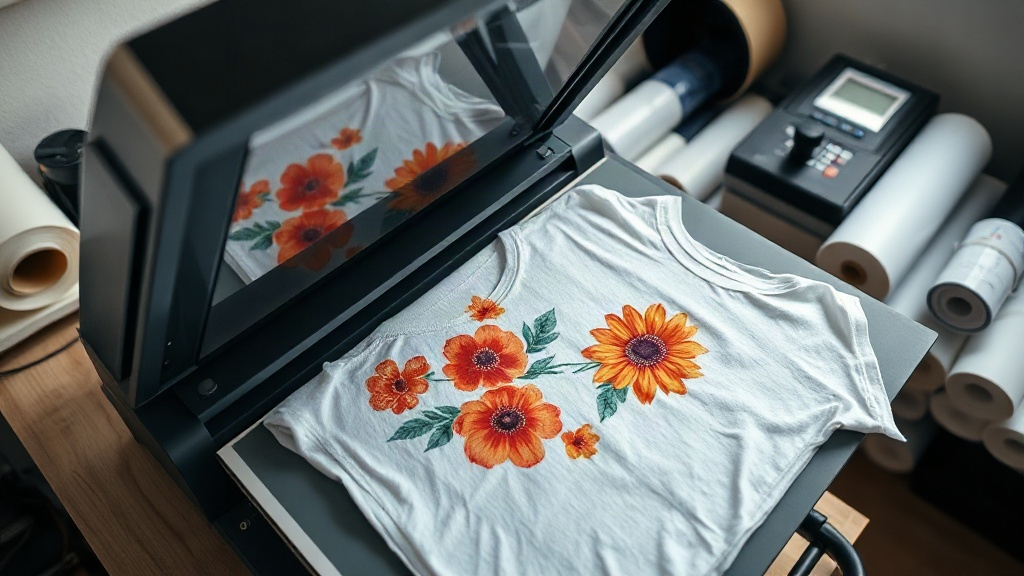
When you're in the middle of a custom apparel project, the phrase DTF (Direct to Film) probably isn't new to you. But finding the right partner to produce those vibrant DTF transfers can be a headache. You type DTF transfers near me into Google, and you're flooded with options. Some look promising, others seem sketchy. I've been there, and I know exactly how it feels. The truth is, not all transfer providers are created equal. Let me walk you through what I've learned from years of ordering and testing these products, so you can make an informed choice without wasting time or money.
Understanding DTF Technology and Its Benefits
Before diving into the search, it's helpful to understand why DTF has become so popular. Unlike traditional screen printing or vinyl heat transfer, DTF involves printing a design onto a special PET film, applying adhesive powder, and then curing it. The result is a transfer that can be applied to almost any fabric, from cotton to polyester blends, without the need for weeding (except in some complex cases). This is a game-changer for small businesses and hobbyists because it allows for full-color prints with high detail and soft hand feel. Plus, you can print on demand, which means no minimum order quantities.
What to Look for in a DTF Transfer Provider
When you search for DTF transfers near me, you'll likely see a mix of online giants and local print shops. While online stores offer convenience, a local provider can save you shipping time and let you see the product live. But regardless of which you choose, you need to evaluate them on several key criteria.
Quality of Materials and Printing
The quality of the transfer depends heavily on the inks, films, and powders used. High-quality DTF prints have vibrant colors, crisp lines, and a stretchable, soft finish. Ask the provider about their ink brands (many use water-based or eco-solvent), the type of film (matte or glossy), and whether they offer a white ink layer for dark garments. A good provider will proudly discuss their process. Also, request a sample before placing a bulk order. Most reputable businesses will send you a small sample for a nominal fee or even free if you cover shipping.
Pricing and Turnaround Time
Price is always a factor, but don't let it be the sole decision-maker. Extremely cheap DTF transfers often indicate inferior materials or rushed production. Compare quotes from several providers, but also factor in quality and speed. If you're on a deadline, ask about rush services. A local provider might offer same-day or next-day pickup, which is a huge advantage. I've seen businesses lose customers because they couldn't deliver on time, so reliability is priceless.
Customer Service and Communication
When you're searching for DTF transfers near me, pay attention to how easy it is to get your questions answered. Do they respond quickly? Are they knowledgeable about their products? Excellent customer service is a sign that they value your business. I would avoid companies that are vague about their capabilities or don't offer any support after the sale.
Common Pitfalls to Avoid When Ordering DTF Transfers
Over the years, I've made mistakes and seen others make them too. Here are the most common pitfalls you should avoid.
Ignoring File Requirements
Every provider has specific file requirements. Some need high-resolution PNGs with transparent backgrounds, while others accept CMYK or prefer vector files. If you send the wrong format, you might get low-quality prints or delays. Always ask for their file guidelines upfront and follow them meticulously. Also, ensure your design has a minimum resolution of 300 DPI at the print size to avoid pixelation.
Not Testing with Your Specific Fabric
DTF transfers work on many fabrics, but the results can vary. For example, they adhere well to cotton, polyester, and blends, but might not be suitable for very stretchy or water-repellent materials. Before a big production run, test the transfer on the exact type of garment you plan to use. This will help you avoid cracked prints after washing or peeling during application.
Overlooking the Application Process
Even the best DTF transfers will fail if applied incorrectly. You need a heat press with proper temperature, pressure, and time. Most providers will give you application instructions, but they can vary. Don't assume your settings are universal. I recommend doing a test press with a scrap garment to dial in the settings. Also, always use a Teflon sheet or parchment paper to protect the film and your press.
How to Evaluate Local vs. Online Providers
Now, let's get back to the search. You might be wondering: is it better to choose a local shop or an online service? Both have pros and cons. Local providers allow you to see the physical product, save on shipping, and potentially get faster turnaround. They also support your local economy. However, their selection might be limited, and they may not have the latest technology. Online providers often have lower prices and larger capacity, but you can't inspect the product before purchase, and shipping can take days or even weeks. To make an informed decision, list your priorities: speed, cost, quality, or convenience.
Questions to Ask Before You Commit
When you contact a provider, ask these questions to filter out the bad ones:
- What is your minimum order quantity? (Some don't have one, ideal for small projects.)
- Can I see a sample of your work? (A reputable provider will say yes.)
- What is your typical turnaround time, and do you offer rush orders?
- What are your file requirements? Do you offer design assistance?
- Do you guarantee the product against defects? What is your return policy?
- Can you provide references or case studies from past clients?
Making the Final Choice and Building a Long-Term Relationship
Once you've narrowed down your options, order a small test batch from two or three providers. Compare the quality, communication, and turnaround. Keep in mind that the cheapest option isn't always the best value. After you find a provider that meets your standards, nurture that relationship. A reliable partner can become an invaluable asset to your business, offering consistent quality and even advice on new products. I've had the same DTF provider for over two years now, and it's made my life so much easier. I know their process, they know my preferences, and we've grown together.
In conclusion, finding DTF transfers near me doesn't have to be a gamble. By understanding the technology, knowing what to look for, and avoiding common mistakes, you can find a provider that delivers excellent results every time. Whether you choose a local shop or an online service, the key is to test, communicate, and build a relationship. So, take the time to do your research, ask the right questions, and you'll be on your way to producing stunning custom apparel that your customers will love.
Frequently Asked Questions
What is the difference between DTF and screen printing?
Screen printing involves pushing ink through a mesh stencil onto the fabric, which is great for large runs of simple designs. DTF, on the other hand, prints a full-color design onto a film that is then heat-pressed onto the garment. DTF allows for more detailed and colorful designs, and there is no setup cost or minimum order quantity, making it ideal for small batches or one-off items.
Can DTF transfers be used on any fabric?
DTF transfers are versatile and work well on cotton, polyester, cotton-poly blends, and even nylon and leather in some cases. However, the results can vary depending on the fabric's texture and stretch. Always test on a sample of your garment to ensure proper adhesion and durability.
How long do DTF transfers last?
With proper application and care, DTF transfers can last for many washes. They are known for their durability and stretchability, but the lifespan depends on factors like the quality of the transfer, the fabric, and how you wash and dry the garment. Generally, they outlast vinyl and are comparable to screen prints when done right.
Is it cheaper to do DTF at home or use a service?
Investing in a DTF printer and equipment can be costly (thousands of dollars), so it's only economical if you have high volume. For most small businesses and individuals, using a professional DTF transfer service is more cost-effective, especially when you factor in the learning curve and maintenance. As your order volume grows, you can reconsider.
What should I do if my DTF transfer cracks after washing?
Cracking usually indicates an application issue. Check that your heat press temperature, pressure, and time are correct and that you're using a Teflon sheet. Also, ensure the garment is completely dry and doesn't have any residual moisture. If the problem persists, contact your provider, as it might be a flaw in the transfer itself.