
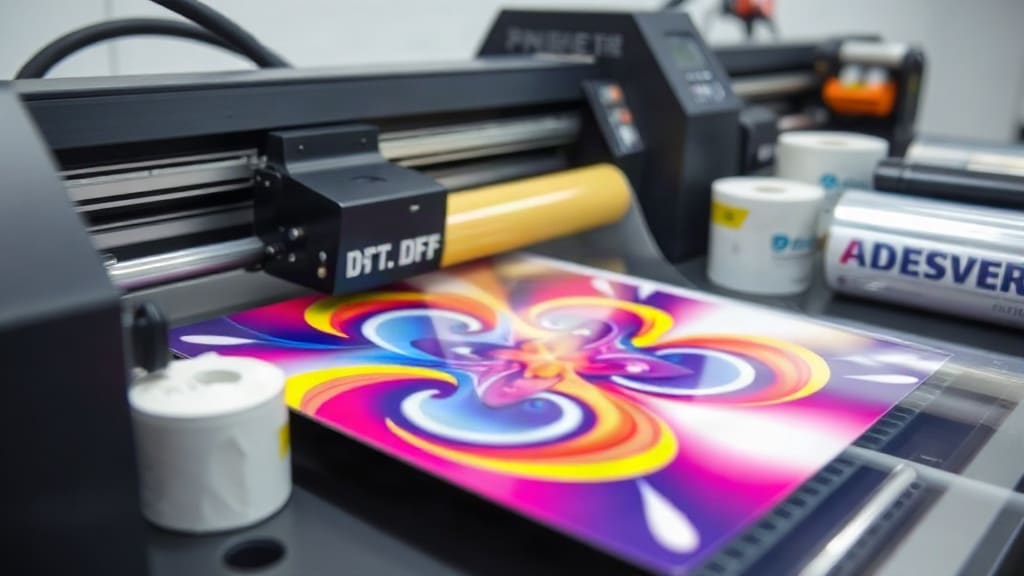
DTF transfers have taken the custom apparel world by storm, offering a flexible and cost-effective way to create vibrant, durable prints on a variety of fabrics. Whether you are a small business owner, a hobbyist, or an established print shop, understanding the ins and outs of DTF transfers can elevate your product quality and expand your offerings. In this guide, we'll dive deep into what DTF transfers are, how they work, and how you can get the best results every time.
What Are DTF Transfers?
DTF stands for Direct to Film. It is a printing method where a design is printed onto a special PET film using a DTF printer and pigment-based inks. The printed film is then coated with a hot-melt adhesive powder, cured, and later heat-pressed onto a substrate like a t-shirt, hoodie, tote bag, or even a hat. The result is a soft, stretchy, and highly durable print that rivals traditional screen printing.
The DTF Process: Step-by-Step
To get started with DTF transfers, you'll need a few key pieces of equipment: a DTF printer (usually an Epson or Brother converted printer), DTF inks (cyan, magenta, yellow, black, and white), PET film, adhesive powder, and a heat press. Here’s how the process unfolds:
- Design and Print: Create your design using graphic software. Print it in reverse (mirrored) onto the PET film with a white ink underbase. The white layer ensures that colors pop, especially on dark garments.
- Apply Adhesive Powder: While the ink is still wet, shake or sprinkle the hot-melt adhesive powder over the printed area. The powder sticks to the wet ink. Remove excess powder carefully.
- Cure the Film: Pass the film through a curing oven or use a heat press to melt the powder, creating a tacky adhesive layer that will bond to the fabric.
- Heat Press Application: Place the cured film onto your garment with the powder side down. Press with a heat press at around 320-340°F (160-170°C) for 10-15 seconds with medium pressure.
- Peel: After pressing, peel the film off. You can do a hot peel or cold peel, depending on the film type. Cold peel (waiting until it's cool) often yields better results.
Advantages of DTF Transfers
Why have DTF transfers become so popular? Let’s look at the benefits:
- Versatility: DTF works on cotton, polyester, blends, nylon, and even leather. You can print on t-shirts, hoodies, bags, caps, and more.
- Vibrant Colors and Detail: With a white underbase, DTF produces bright, opaque prints that stand out on dark fabrics. High-resolution details are preserved.
- Soft Hand Feel: The adhesive layer is thin and flexible, so prints don't feel stiff or rubbery. They stretch with the fabric without cracking.
- Durability: DTF prints can withstand multiple washes without fading or peeling, especially when proper care is taken.
- No Weeding: Unlike vinyl, there's no need to weed out excess material. This saves time and is ideal for complex designs.
- On-Demand Printing: You can print small batches or even single items economically, making it perfect for custom orders.
DTF Transfers vs. Other Methods
To understand where DTF fits, let's compare it briefly with other popular techniques:
DTF vs. Screen Printing
Screen printing is excellent for large quantities with low cost per unit, but setup is expensive and time-consuming. DTF has no setup, making it ideal for short runs and full-color designs without separation.
DTF vs. DTG (Direct to Garment)
DTG prints directly onto the shirt and is great for soft hands feel, but it's slower and often requires pre-treatment for dark fabrics. DTF can be faster for multiple prints and works on a wider range of materials.
DTF vs. Vinyl Heat Transfer
Vinyl is limited to solid colors and requires weeding. DTF offers full-color gradients and photorealistic prints with no weeding, making it superior for complex designs.
Choosing the Right Materials for Quality
Your results depend heavily on the quality of your materials. Here are some key considerations:
- PET Film: Use a high-quality, clear PET film designed for DTF. Thicker films (around 75 microns) are easier to handle and less prone to curling.
- DTF Inks: Invest in genuine pigment inks, especially high-opacity white ink. Cheap inks may cause poor adhesion or color fading.
- Adhesive Powder: Choose a fine powder that melts evenly. Some powders are designed for cold peel, others for hot peel. Test to find which works best with your film.
- Heat Press: A good heat press with precise temperature and pressure control is essential. Inconsistent heat can lead to uneven bonding.
Tips for Perfect DTF Prints
Here are practical tips that we’ve learned from hands-on experience:
- Calibrate Your Printer: Ensure your printer is properly calibrated for color accuracy. Use a color profile to maintain consistency.
- Mirror Your Design: Always print in reverse, especially for text. This ensures that the design reads correctly when transferred.
- Control Powder Application: Use a sieve to apply powder evenly. Excess powder can cause a rough texture or flaking.
- Cure Thoroughly: If you don't cure the powder properly, the adhesive won't activate. Use a curing oven or a heat press at the right temperature.
- Test Before Bulk: Always do a test print on a sample fabric to check color, adhesion, and washability before running a large order.
- Use a Teflon Sheet: Protect your heat press with a Teflon sheet or parchment paper to prevent adhesive residue from sticking.
Common Mistakes and How to Avoid Them
Even experienced printers can run into issues. Here are some pitfalls and solutions:
- Poor Adhesion: This often happens when the powder isn't cured enough or the press temperature is too low. Increase curing time or temperature slightly.
- Colors Fading: Fading can occur if the white ink underbase isn't opaque enough or if the fabric is too dark. Ensure your white ink is high quality and applied thickly.
- Film Curling: Curling can be caused by low humidity or old film. Store film in a cool, dry place and use it within its shelf life.
- Cracking: Cracking usually indicates that the adhesive layer is too thick or the press pressure is too high. Adjust your parameters.
DTF Transfers in Your Business
If you're running a print-on-demand or custom apparel business, DTF transfers can be a game-changer. They allow you to offer a wide variety of products without holding large inventory. You can print transfers on demand and apply them as orders come in. This reduces waste and increases profitability.
Moreover, you can also sell pre-printed DTF sheets to other crafters who don't have a DTF printer. This creates an additional revenue stream. Many small businesses start by purchasing DTF transfers from suppliers and later invest in their own equipment as demand grows.
Frequently Asked Questions
How many washes can a DTF transfer withstand?
With proper application and care, DTF transfers can last for 50+ washes without significant fading or cracking. Washing garments inside out in cold water and air drying or low tumble drying helps extend the life.
Can I use DTF transfers on 100% polyester?
Yes, DTF transfers work on polyester, but the results may vary. Polyester doesn't absorb the adhesive as well as cotton, so it's essential to use a lower press temperature (around 300°F) and a lower pressure to avoid melting the fabric. Test on a sample first.
Do I need a special printer for DTF?
Yes, you need a printer that can handle pigment inks with white ink. Many people convert Epson EcoTank or WorkForce printers for DTF use. You can also purchase dedicated DTF printers from manufacturers like DTFbasic, which come pre-configured and ready to go.
Can I use DTF transfers on dark-colored garments?
Absolutely. In fact, DTF excels on dark fabrics because the white ink underbase provides a solid foundation for colors to pop. Just ensure your white ink is opaque enough.
What is the difference between hot peel and cold peel DTF films?
Hot peel films allow you to peel the transfer immediately after pressing while it's still hot, which speeds up production. Cold peel films require you to wait until the transfer cools down, which can give a glossier finish and better color vibrancy. The type you choose depends on your workflow and desired outcome.
Conclusion
DTF transfers offer an accessible and efficient way to produce high-quality custom apparel. Whether you're just starting or looking to scale your business, understanding the materials, process, and troubleshooting is key to success. By following the tips outlined here, you'll be well on your way to creating vibrant, durable prints that satisfy your customers and keep them coming back for more. So, get your hands on a DTF setup and start experimenting today. The possibilities are endless!